techXXX
Commenting on the Seven Best-Looking Chinese EVs
In this article, I comment on the seven best-looking Chinese EVs on the market.
Published by Dr Jiulin Teng on 20 Dec 2025
Keywords: car-designev
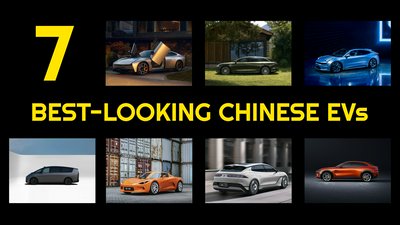
The entry barrier to the EV market is markedly lower than the ICE market, and Chinese EV manufacturers enjoy a significant supply chain advantage. Still, most Chinese EVs have been generic imitations of Tesla, Volkswagen, and Mercedes products. Today, I comment on the seven best-looking Chinese EVs on the market.
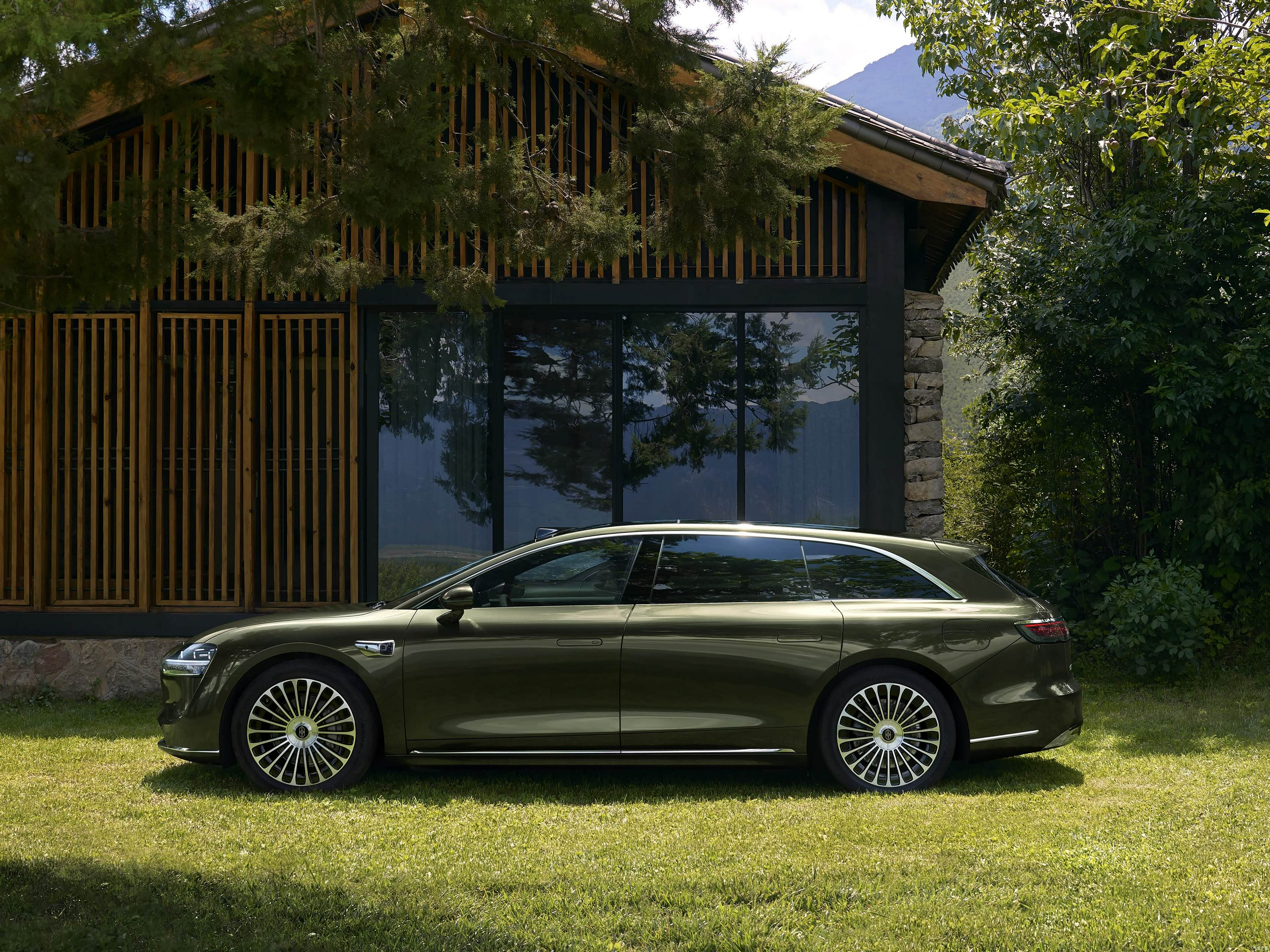
Stelato 享界 S9T
The Stelato S9T is a full-size station wagon with a rather sleek profile and soft, elegant lines. Unlike some new automakers who try to stand out by being vulgar, the S9T carries an air of class. Its fit and finish are also very competitive against premium international brands.
Nevertheless, the S9T is not perfect to my eyes: Its front overhang is too FWD-like. This is probably because the S9T is sold both in EV and range extender variants, and that the range extender architecture is based on a FWD platform. Additionally, at almost 5.2m the S9T is too long behind the B-pillar. This is certainly due to the obsession with LWB by Chinese automakers.
If I were in charge, I would address these issues by moving the front axle forward and the windshield, and thereby the entire cabin, rearward. I would mount the range extender engine longitudinally at a slant angle instead of transversely to allow for better maintenance and weight distribution and to make the hood lower. I would also consider using a highly efficient diesel engine for better range, lower emissions, and lower running costs.
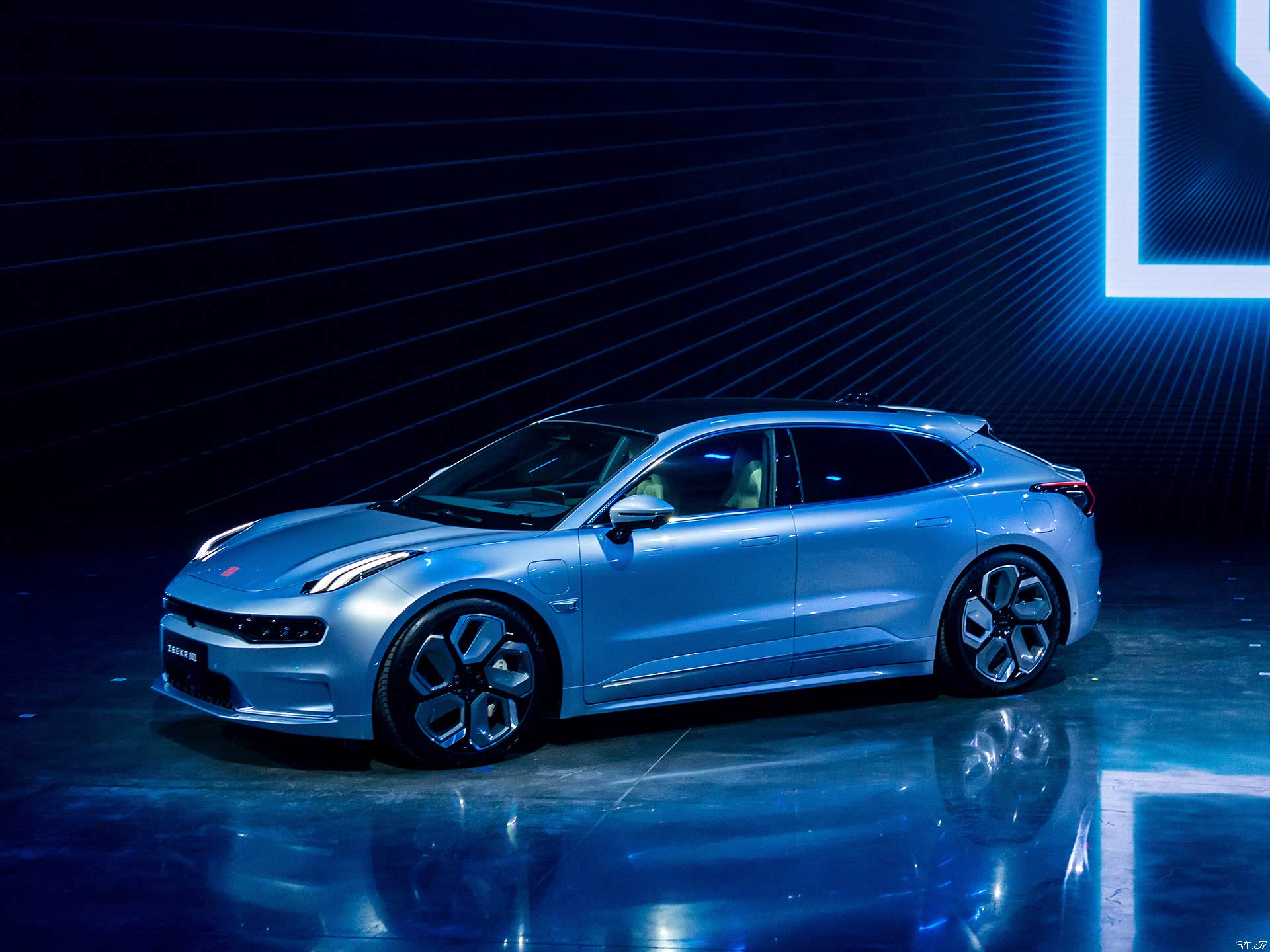
Zeekr 极氪 001
The Zeekr 001 is a mid-size station wagon inspired by the Porsche Panamera Sport Turismo. It has a very sporty and well-proportioned body design with a gentle, sweeping roofline and robust but not overly exaggerated shoulders. Its headlight and bumper designs are coherent and stand out from the crowd.
To me, the Zeekr 001 would look more athletic if both its axles are moved forward, which would give it a shorter front overhang and a longer rear overhang. Its roofline could be extended a little with a softer, more vertical tailgate.
In terms of details, the daytime running lights add too much visual clutter to the front end. The side-to-side taillight assembly is also too generic and may benefit from visual separation in the middle.
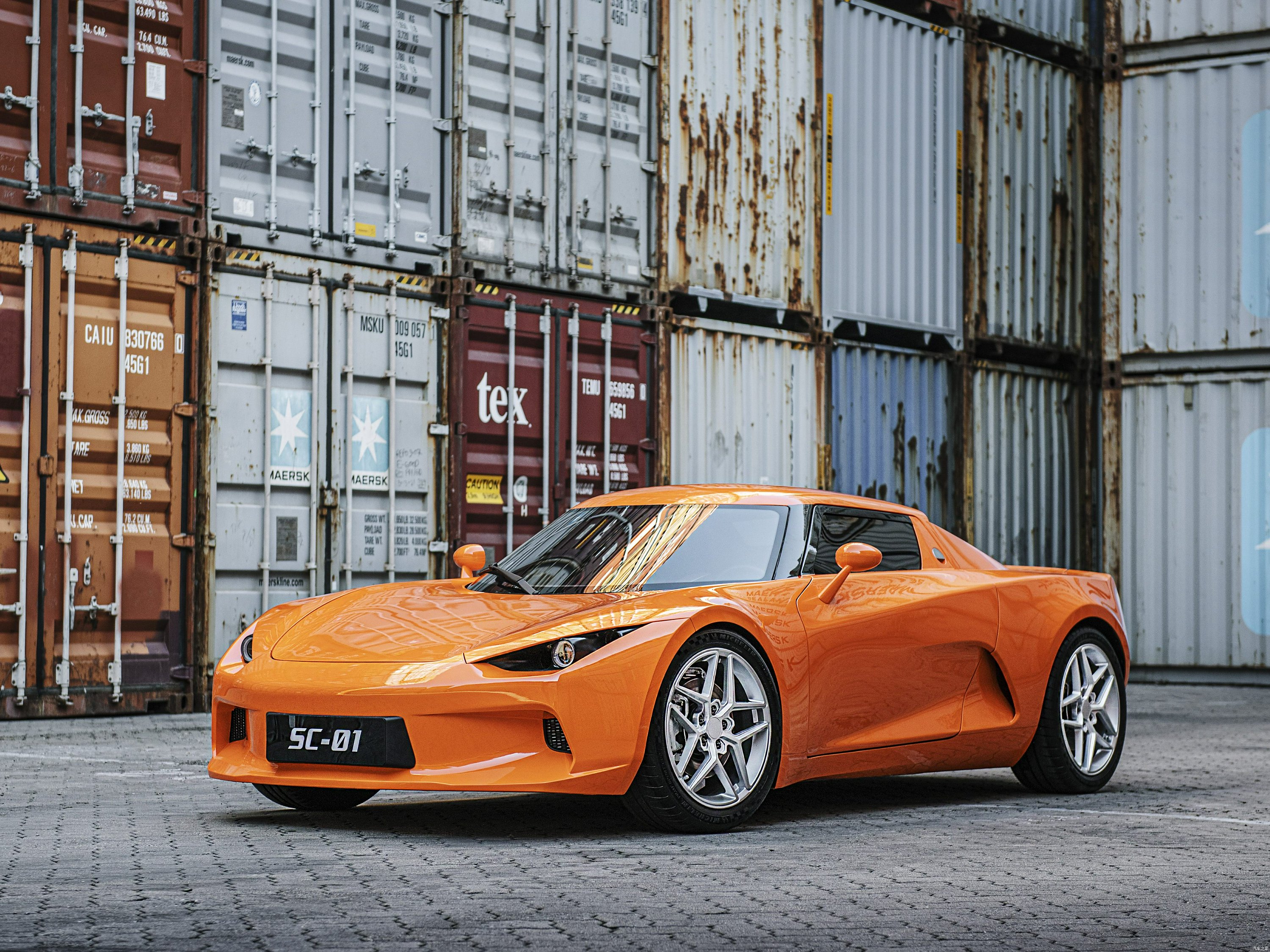
Jiangling 羿驰 SC 01
The SC 01 is a compact sport car strongly influenced by classic Alfa Romeo and modern Ferrari designs. Even though the SC 01 gives off some kit car vibes, it is remarkedly well-proportioned with athletic yet reserved details. For once, its manufacturer dares to deviate from the philosophy of interior space maximization so prevalent today and prioritizes how the car looks on the outside, with hopefully some effort made on how it handles, too.
The problem with the SC 01 is that it seems to follow the Tesla Roadster in spirit, as the car has been promised but still not available.
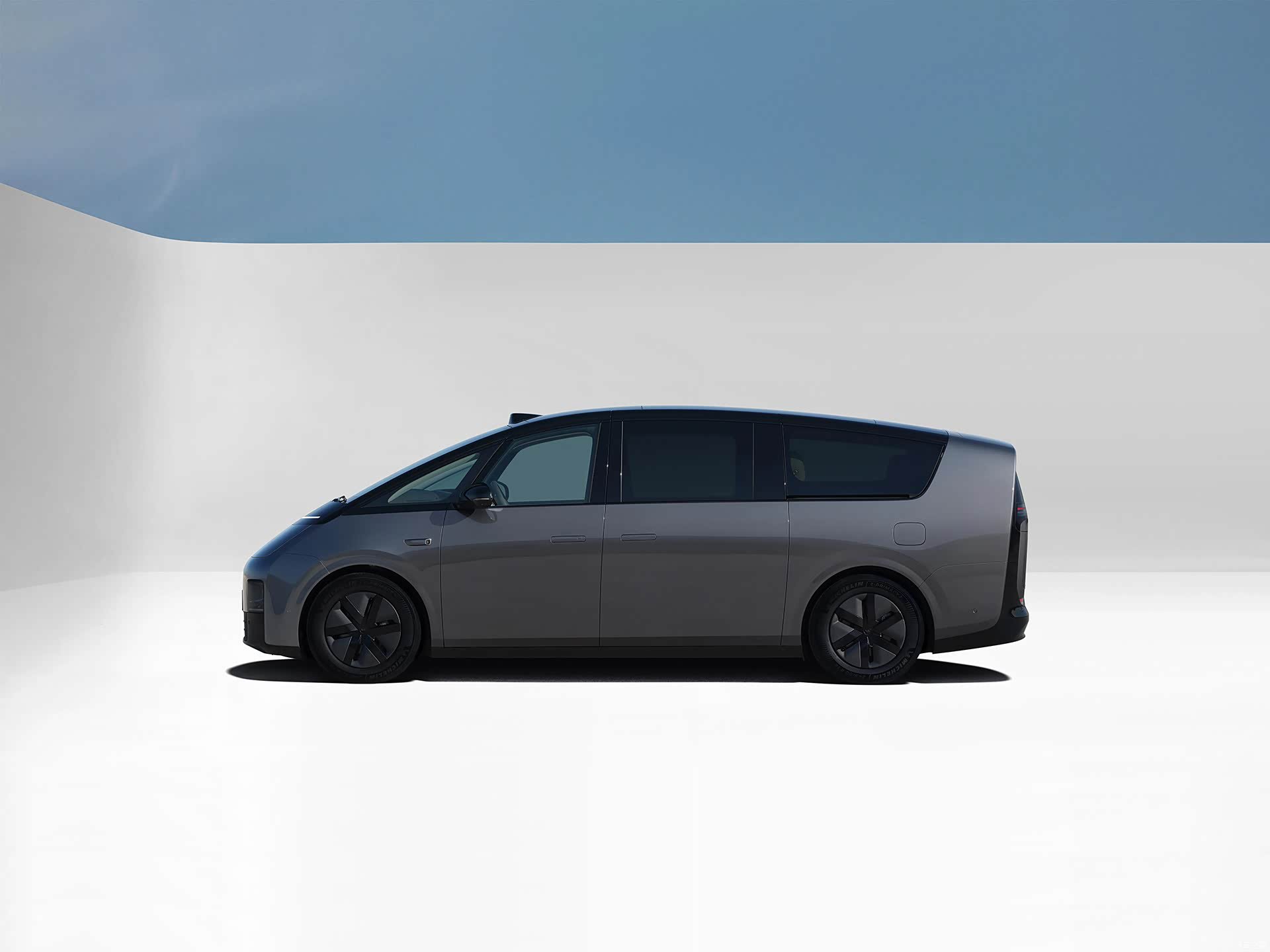
Li Auto 理想 MEGA
The MEGA is a full-size minivan. Possibly inspired by bullet trains, the MEGA has a minimalist styling that maximizes the interior space. Its design is so avant-garde yet timeless: it could be from the jet age of the 1950s or a modern-day science fiction set in the 2050s. One interesting design feature is from the rear quarter view, where the MEGA is visually defecating a Li Auto-branded SUV out the rear end.
Personally, I cannot find a thing to change that would make it look better.
Tengshi 腾势 Z9GT
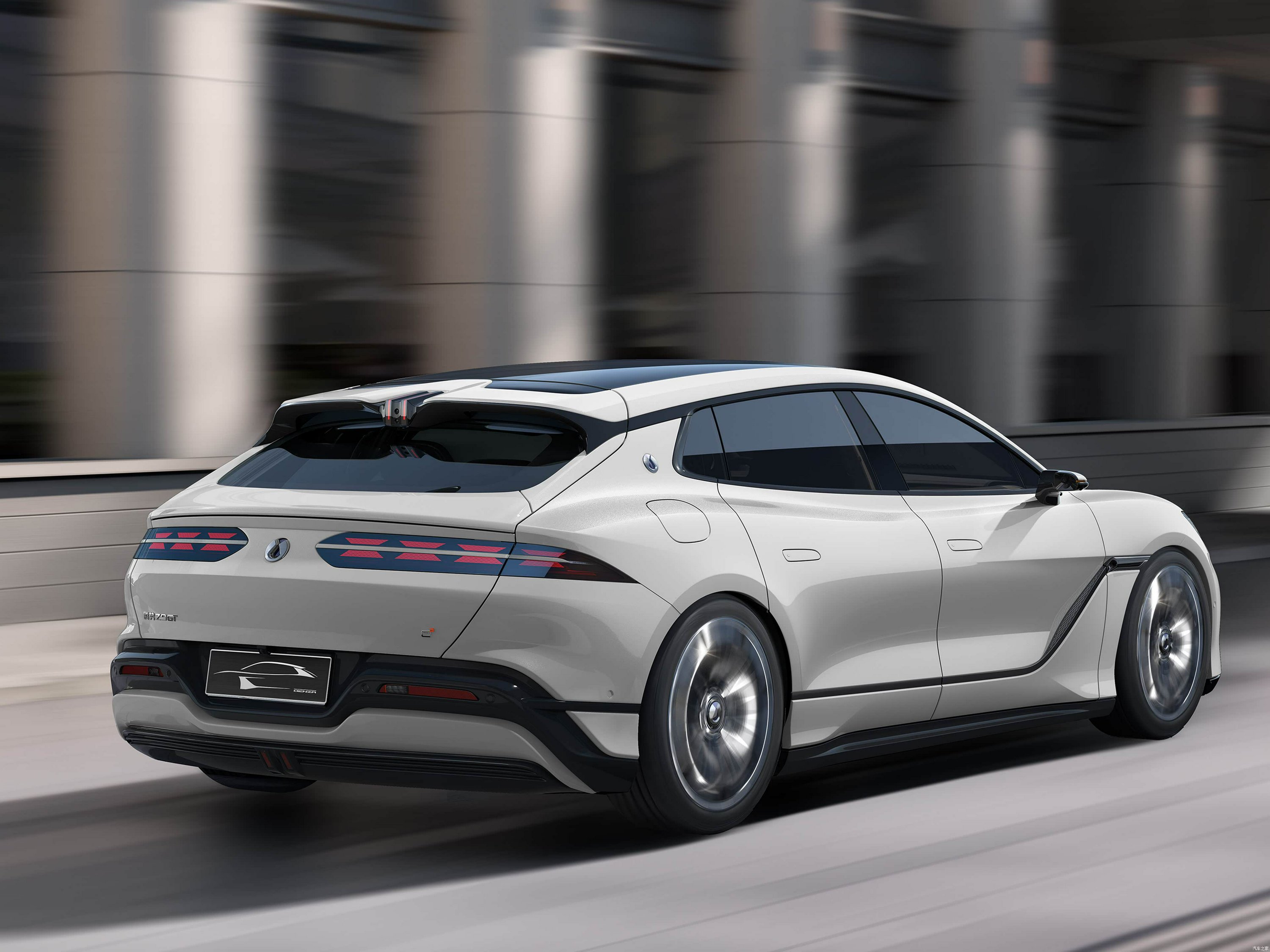
The Z9GT is a full-size station wagon inspired by the Porsche Taycan Cross Turismo. It has a very sporty design with strong lines that flow into a robust and memorable profile. The sweeping roofline, especially where it meets the tailgate, is surely a stand-out among Chinese EVs. The tailgate design is beautiful and well-balanced. The unique taillight assemblies broken in the middle by the brand’s logo plays a key part in doing this.
Still, the Z9GT is not perfect. As it is sold in both EV and PHEV forms, it is also burdened by a FWD architecture, which results in rather unathletic dash-to-axle ratio. Worse, it appears that Tengshi may have used the front-end of one of its lesser vehicles. The “slanted eyes” design does not correspond with the balanced rear-end at all.
If I were in charge, I would at least move the rear axle forward to achieve visual balance from the side. As the engine has to be connected to the front wheels in a PHEV, we cannot change the location of the front axle. Nevertheless, I would replace the pointy front-end with a rounder, more mature design to mask the front overhang and echo the rear-end.
Xiaomi 小米 YU7
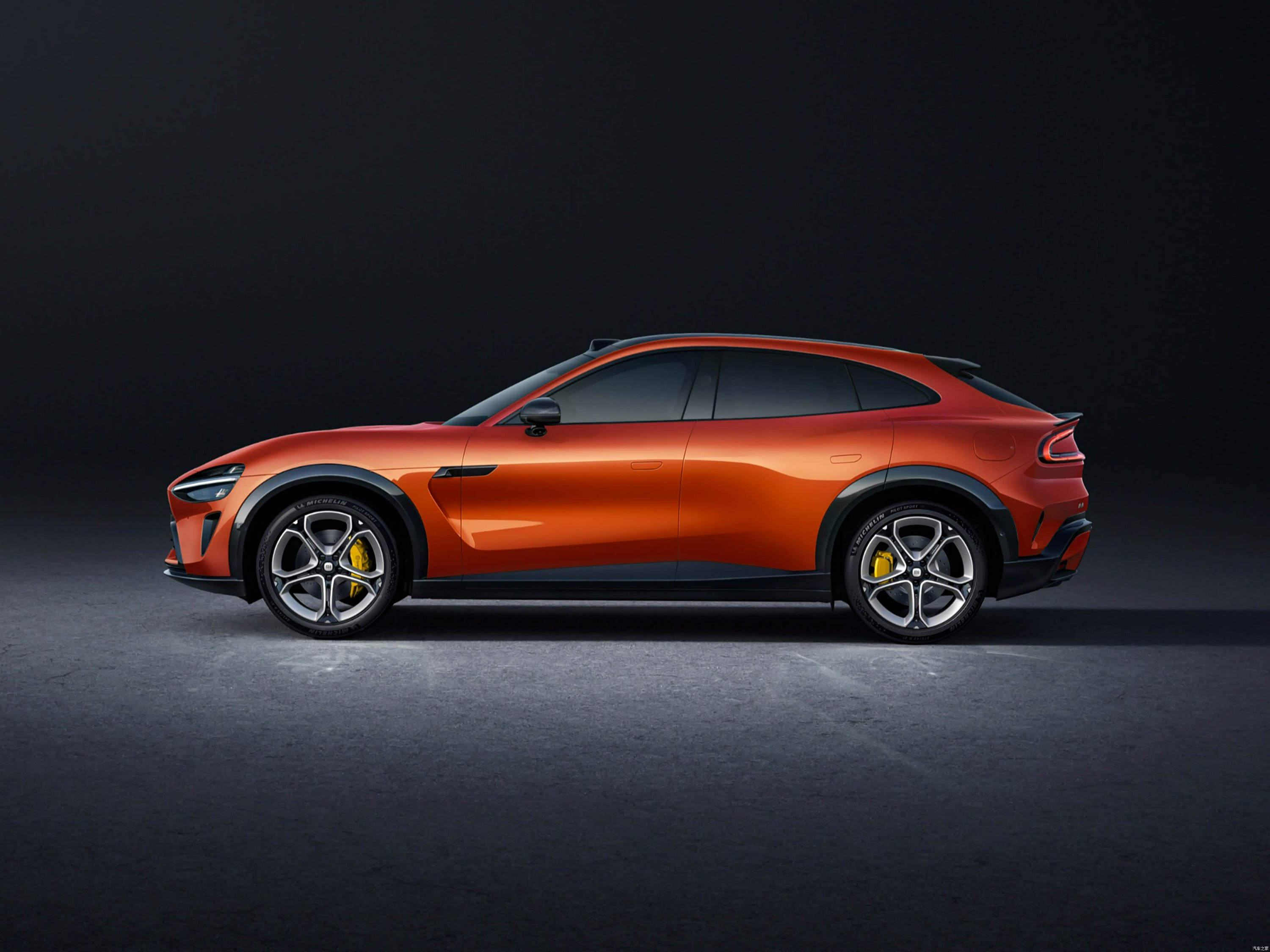
The YU7 is a mid-size crossover, which is often referred to as SUV, that borrows heavily from the FUV. As such, Xiaomi also departs from the philosophy of stretched wheelbase and interior space maximization common among Chinese automakers. Instead, the YU7 only prioritizes interior space, since there are 12 cylinders missing from underneath the hood. The result is a crossover that truly stands out on the road.
Interestingly, the YU7’s rear end can look more grounded than the Ferrari’s, because Xiaomi wanted to optimize practicality with a lower tailgate. There are fewer aero elements, too, a change that makes the car look less exotic, which is more coherent with its market positioning.
The one thing that I would change is the front air intake / bumper design. The original side-to-side design by Ferrari is more coherent with the overall styling of the car. Alternatively, an oval design that echoes the taillights may work.
Xiaopeng 小鹏 P7
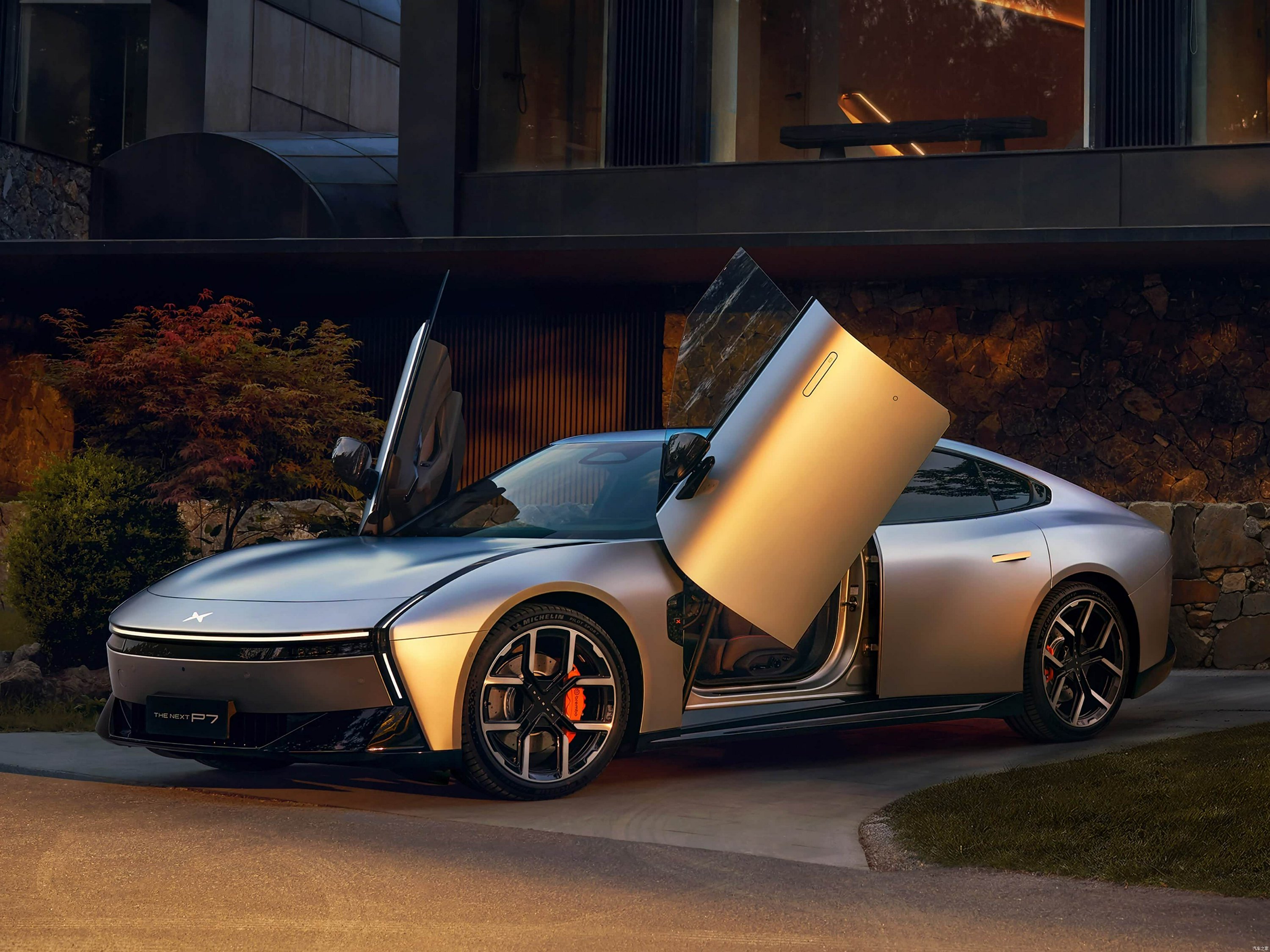
The P7 is a mid-size sedan possibly inspired by the new Dodge Charger, Nissan Z, and possibly the Ferrari 12Cilindri. It boasts a wedge-shape design popularized by Giorgetto Giugiaro complete with scissor doors. From the side, it is about as good as an automaker can make it with consideration for interior space and realities of an EV. The simple, elegant, yet athletic lines make the P7’s side profile one step above the minimalist designs of too many generic EVs and several steps above the busy designs of those that try too hard.
Importantly, Xiaopeng got both ends of the car right, and the front and rear fully complement each other. The daytime running lights and the taillight assemblies create such visual coherence while at the same time spell out the brand’s logo. In my opinion, it is one of the few masterstrokes in car design that have come out of China.
Final Words
Overall, Chinese automakers are still mostly in the imitation phase, but that does not mean the end results are the same. The three sins of Chinese EV designs today are, in my opinion, FWD architecture, obsession with LWB-look and interior space maximization, and design by committee.