techXXX
Dissembly of Mercedes 722.9 7G-Tronic Transmission
Recently, I dissembled the 7G-Tronic transmission that I had replaced in my 2005 S500 last year. The failure point was the TCC. In this article, let us confirm the severity of the damage and check out how the 722.9 transmission works.
Published by Dr Jiulin Teng on 22 Jul 2026
Keywords: mercedestransmission
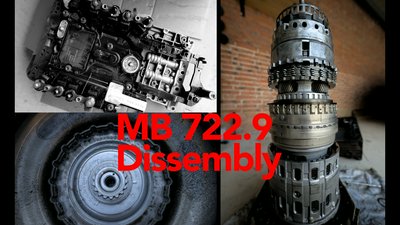
Recently, I dissembled the 7G-Tronic transmission that I had replaced in my 2005 S500 last year. The failure point was the torque converter clutch (TCC). In this article, let us confirm the severity of the damage and check out how the 722.9 transmission works.
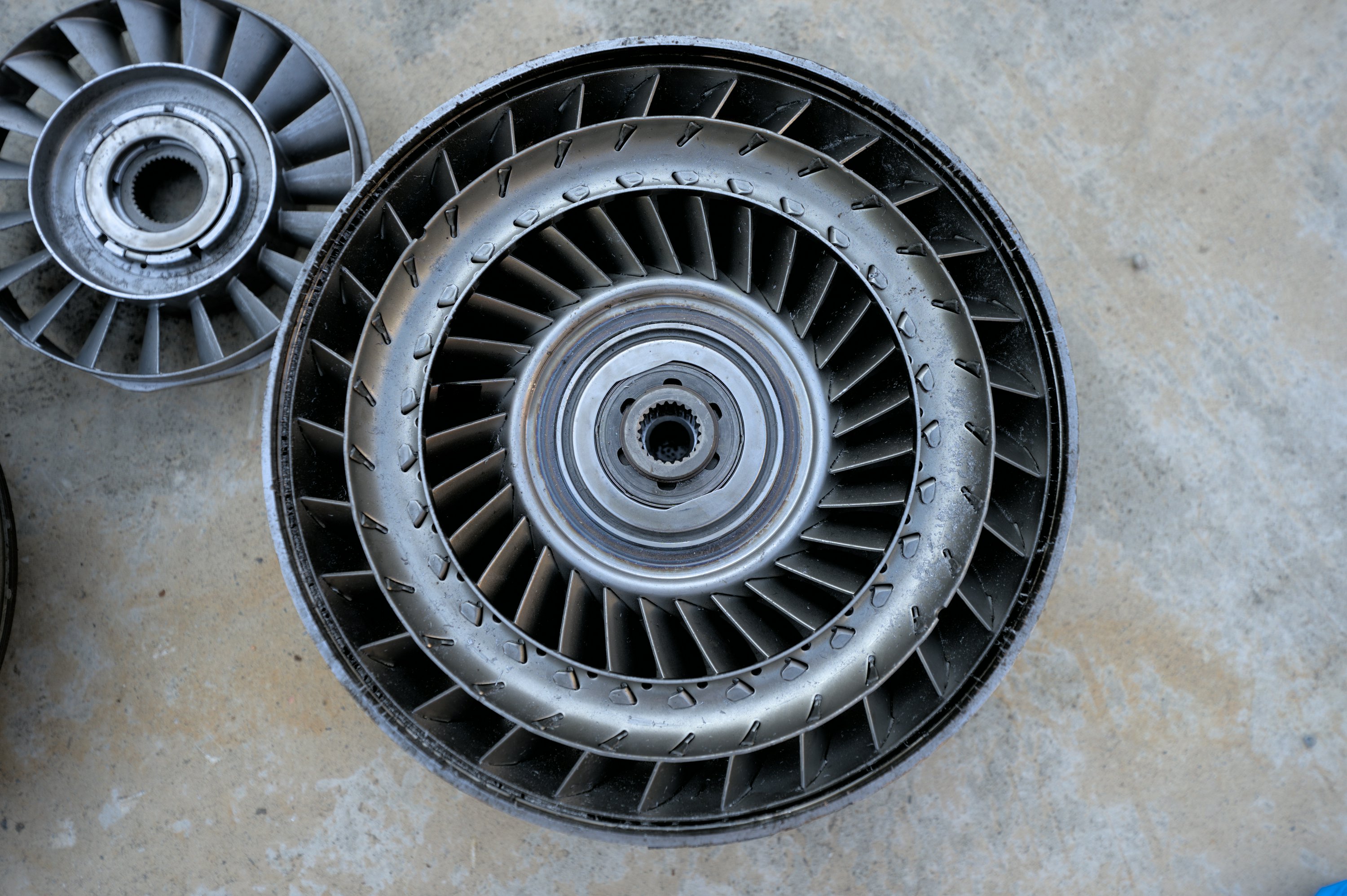
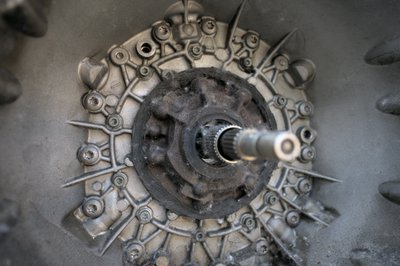
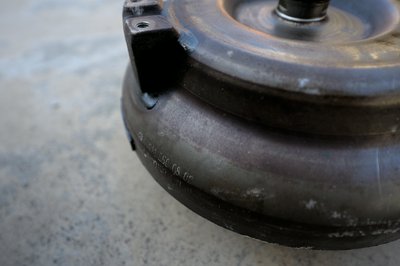
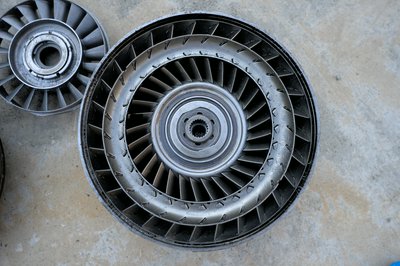
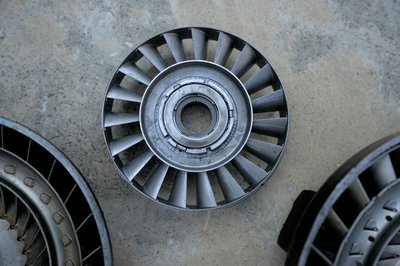
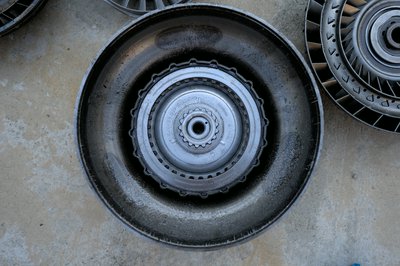
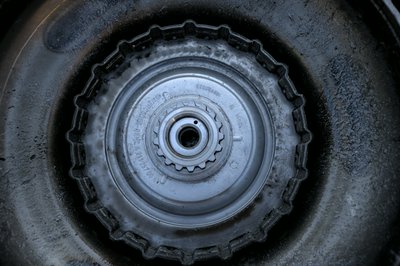
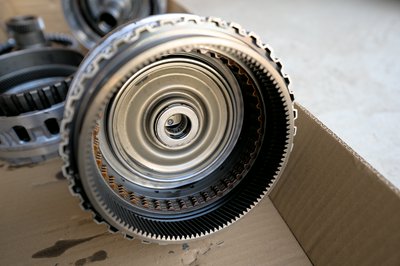
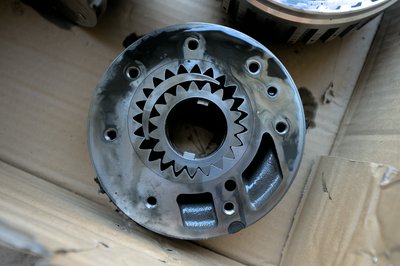
First, let us focus on the torque converter, which is one of the two main weak points of the 7G-Tronic transmission. We can see that this was the original torque converter that served 20 years. Like most modern transmissions, the turbine is at the front and splined to the input shaft of the transmission. The impeller is at the rear, bolted to the engine’s flex plate, and directly drives the transmission oil pump with the two notches. In the middle, the stator is splined into the oil pump stator shaft, which is connected to the B1 brake housing.
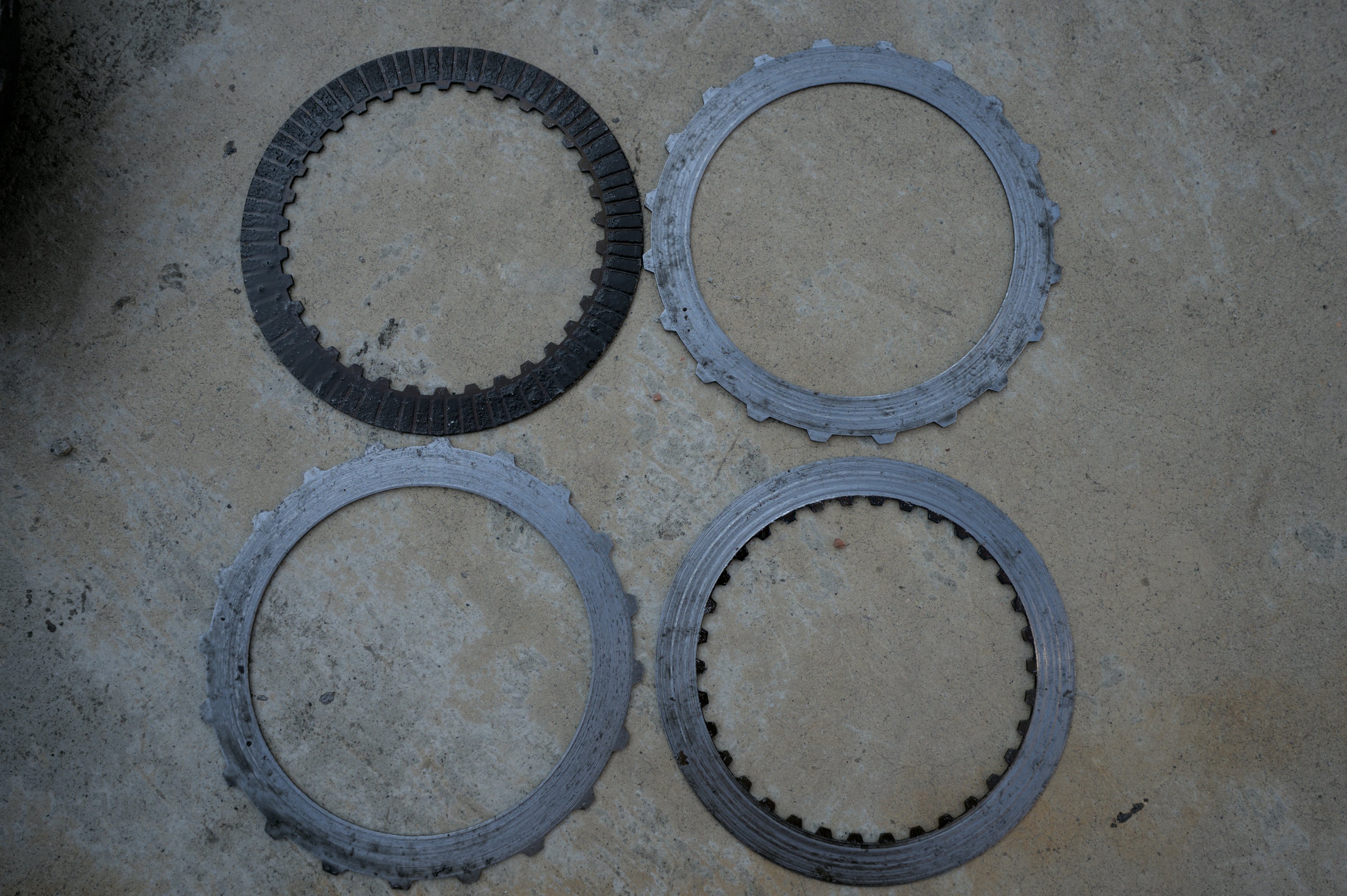
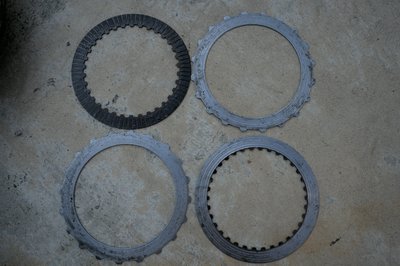
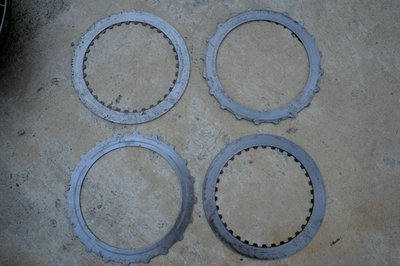
We can see that there is an excess amount of metal shavings. Only one side of one of the two friction plates in the TCC assembly has friction materials left, but the materials are gouged. The other three friction surfaces are completely worn, forming the main source of the metal shavings. The friction plate closer to the piston is in a cone shape.
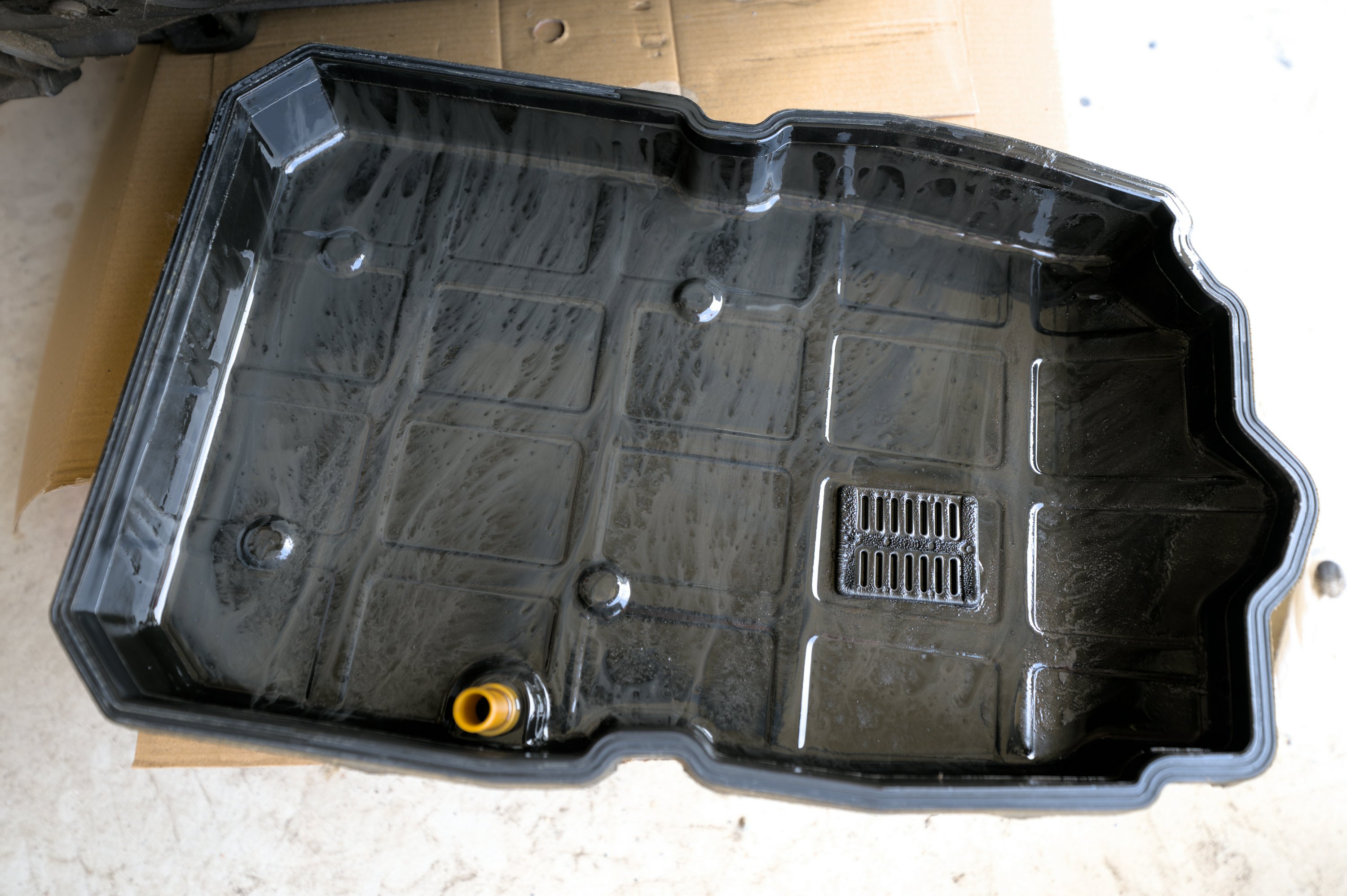
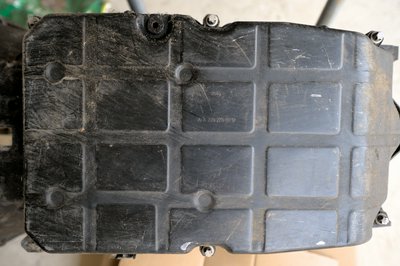
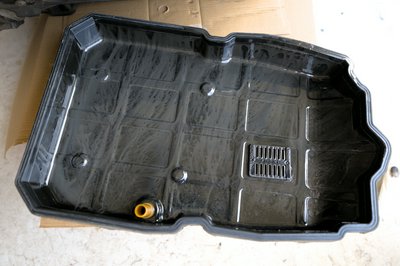
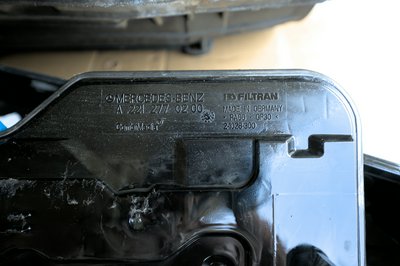
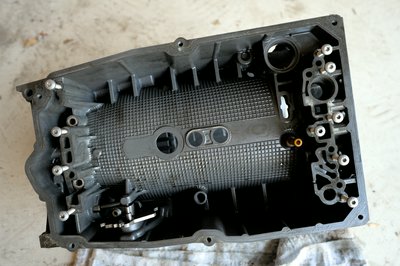
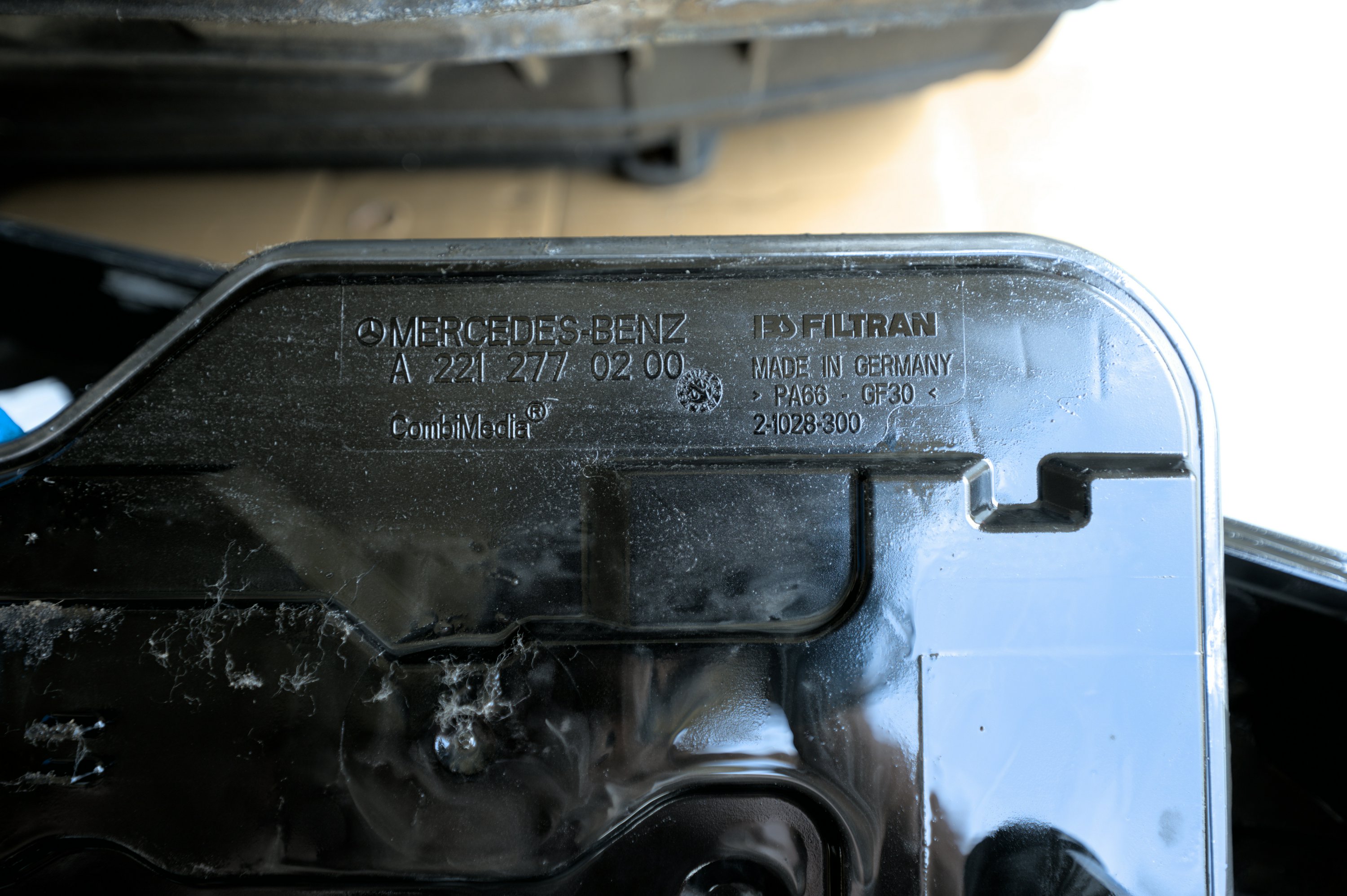
Next, as I removed the oil pan, the damage is much more subdued. There are some metal shavings on the magnet, but considerably less and much finer than it is in the torque converter. This is probably because the shavings are too coarse for the oil channels in the input shaft that circulate the fluid to and from the torque converter. The filter is an original Mercedes part, which I replaced in 2023.
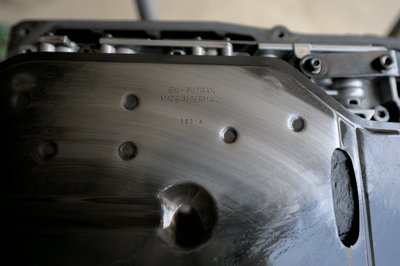
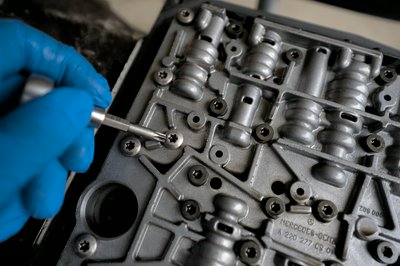
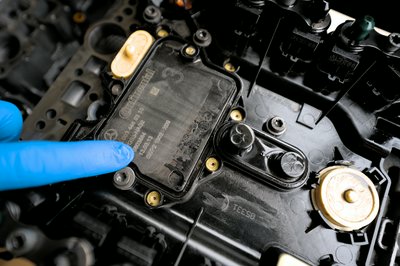
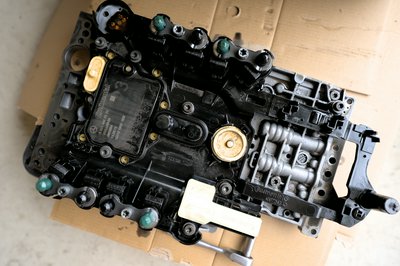
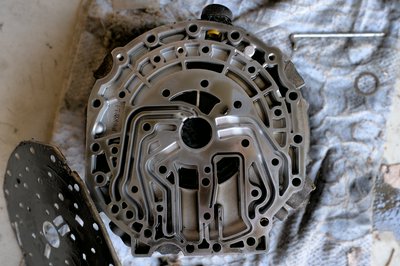
To remove the valve body, I unbolted 10 T30 bolts. One of them was loose, which hints at some shoddy work done previously. Indeed, the computer board shows a manufacture date of 13 March 13. Probably because the transmission had been drained of its fluid, which was not great to begin with, for over half a year, the connector refused to come out with the computer board. On the board, we can see four speed sensors, one at the rear for the output shaft and three in the middle for the three planetary gearsets. We can see some sludge build-up.
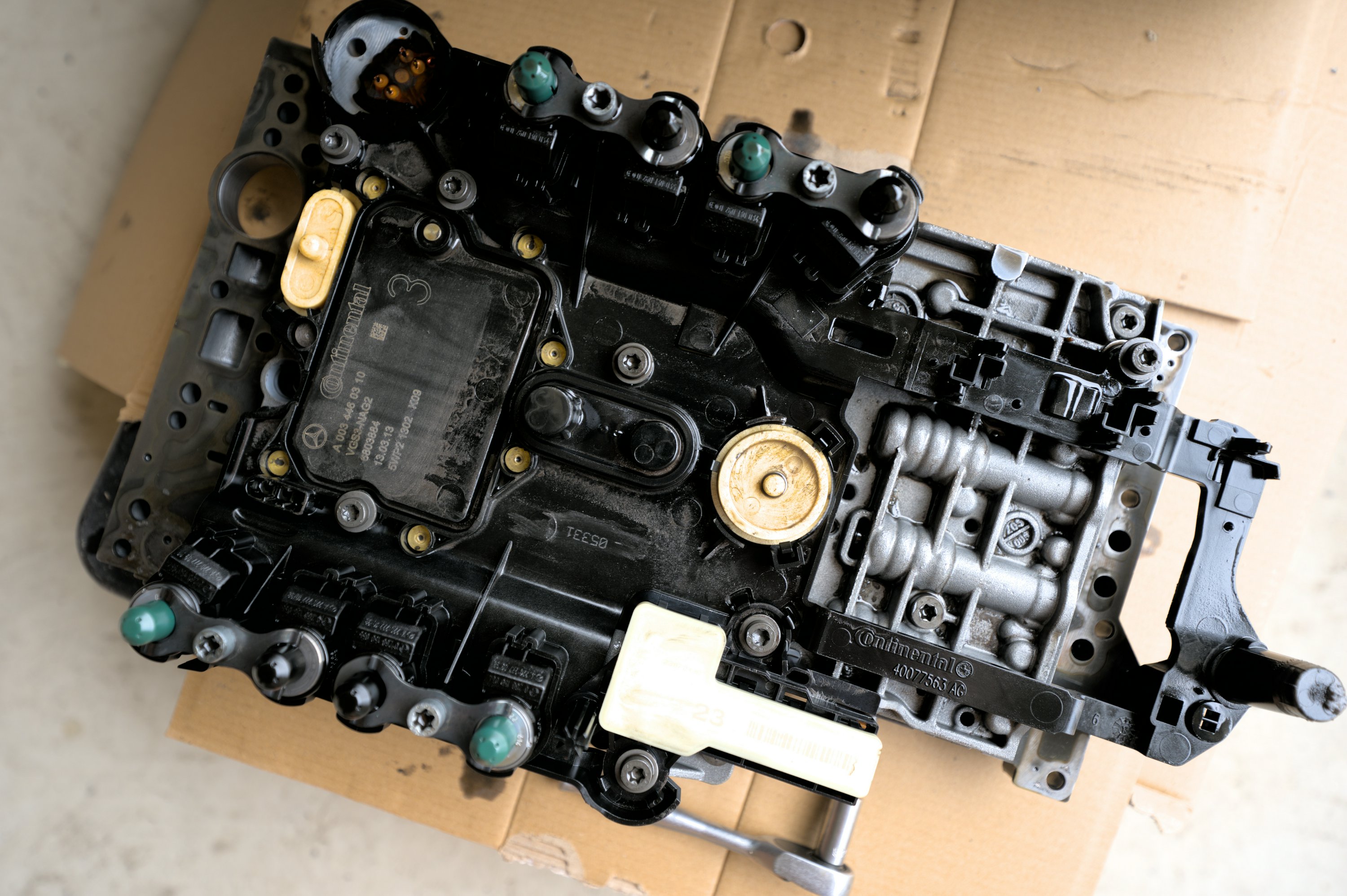
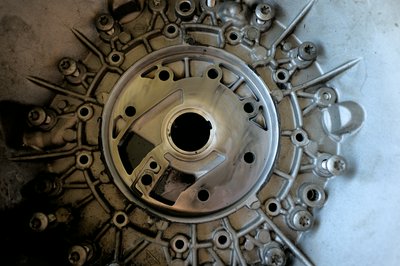
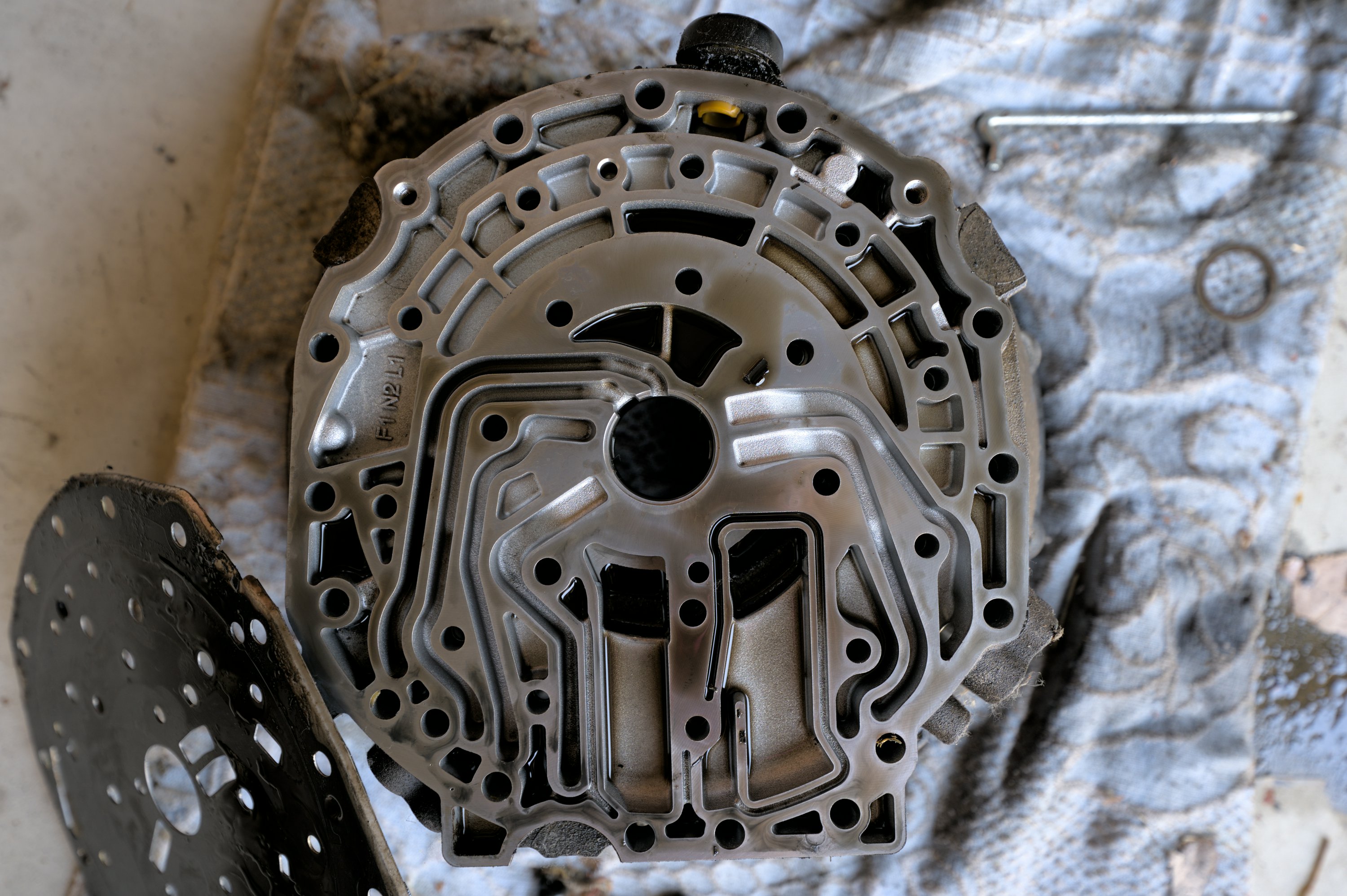
After undoing the numerous T45 bolts on the bell housing and behind the valve body for the B2 brake housing, I was able to split the transmission housing from the bell housing, though not without a fight. Initially, the B2 brake housing was stuck and would not come out. After half an hour of futile pulling and prying, I figured out that I could put the housing upside-down onto the output shaft, but purposefully not splining it into the steel plate for the parking pawl. With a hammer and a piece of wood, I hammered the housing down a dozen times before the B2 brake housing came loose. All these stuck components are the results of varnished fluid that was drained. Nevertheless, the transmission fluid inside still smells normal, so oxidized but not burnt.
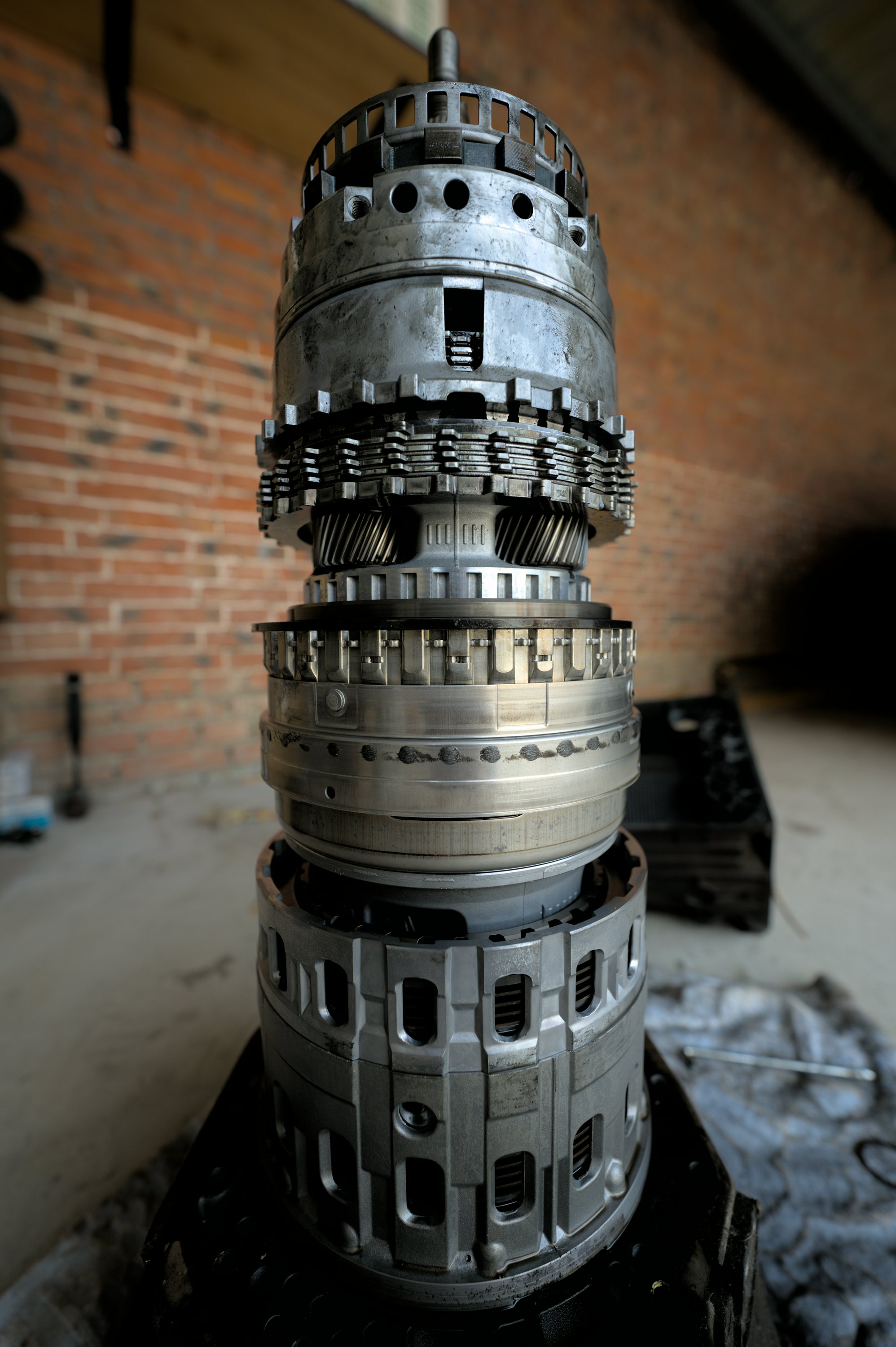
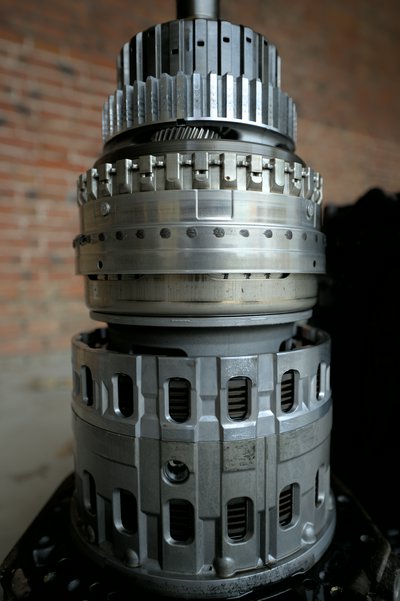
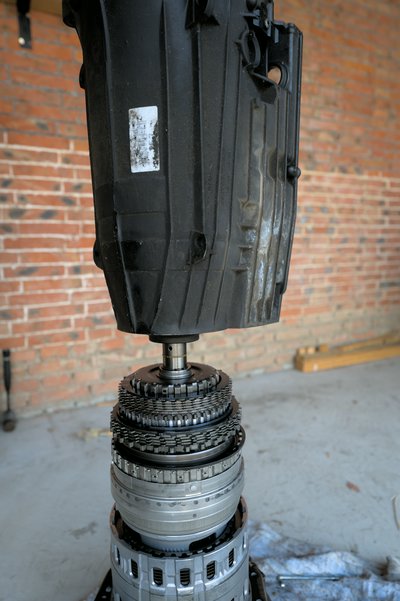
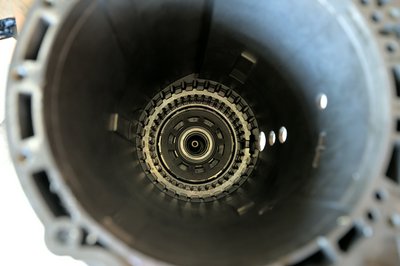
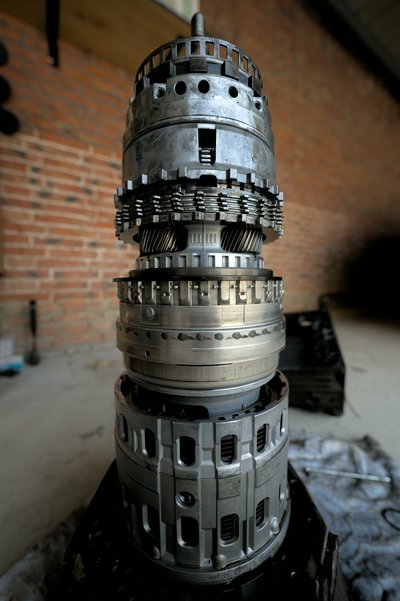
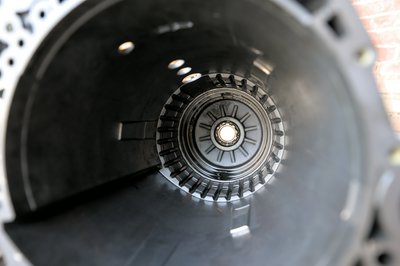
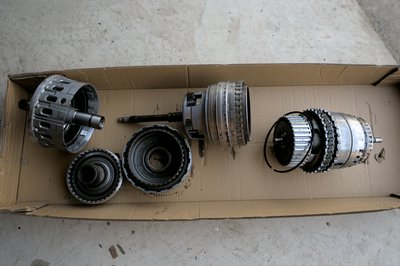
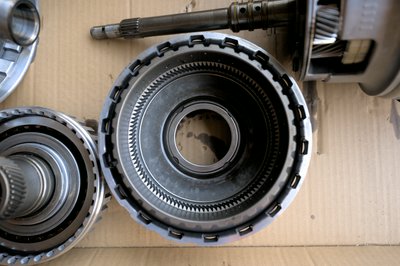
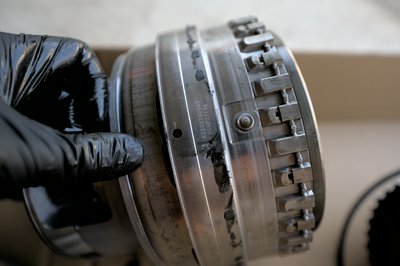
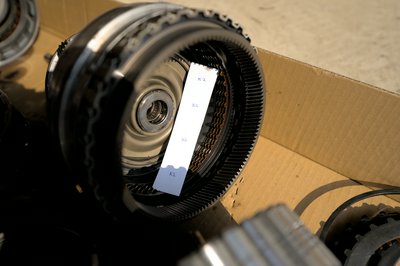
Inside, we can see that the geartrain is in decent shape. All steel surfaces are perfect. All aluminum hubs show some bite marks from the clutches, but they are either superficial or purely visual except the notable grooves on the hub for the BR reverse brake. There is no mark on the housing side. By the way, this is the only brake assembly directly on the housing. My guess is that the transmission was frequently shifted into reverse when the vehicle was still moving forward by the previous owner.
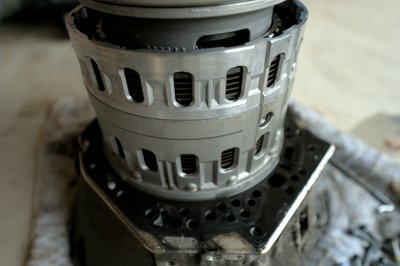
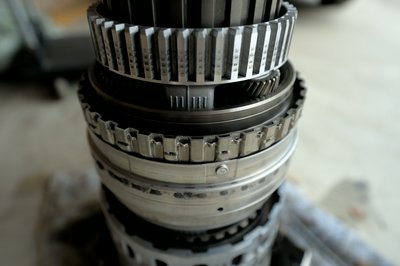
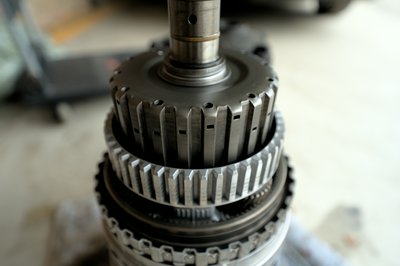
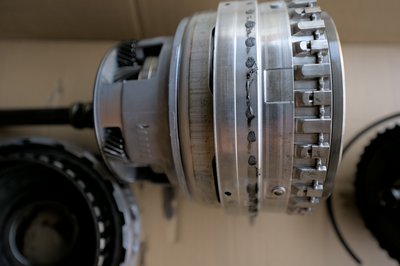
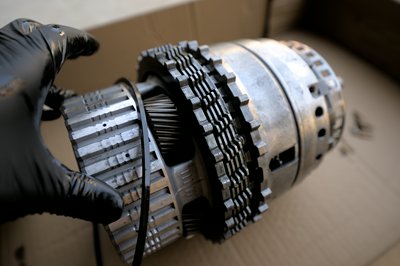
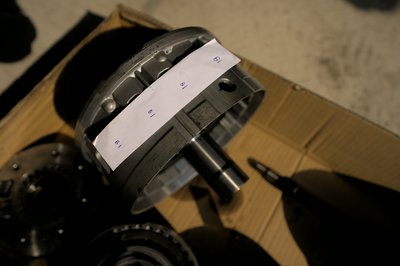
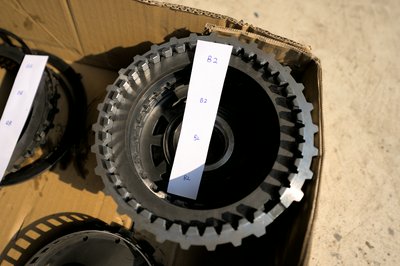
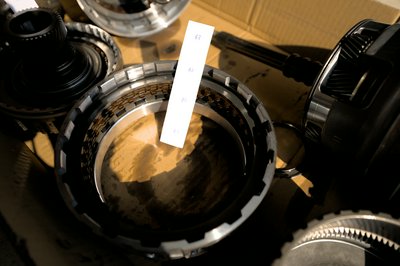
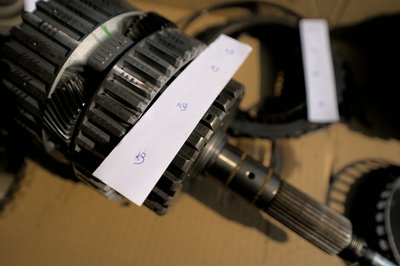
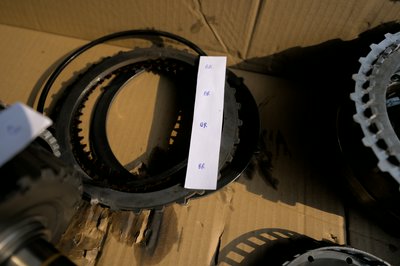
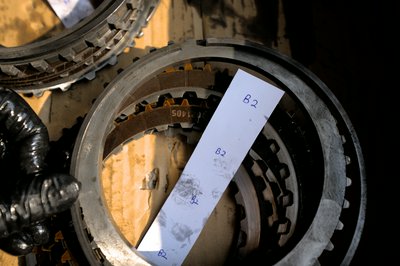
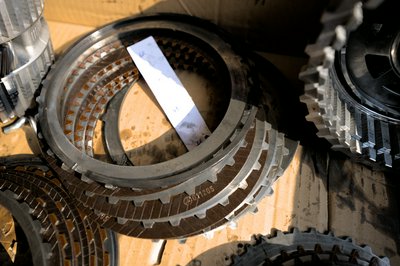
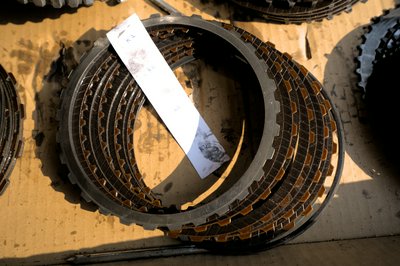
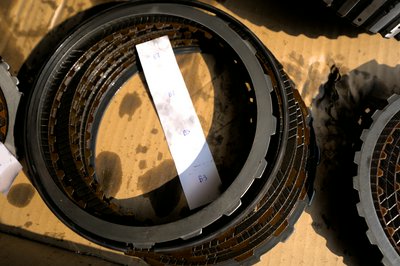
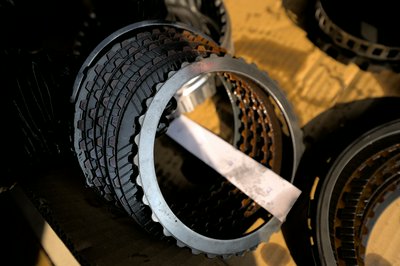
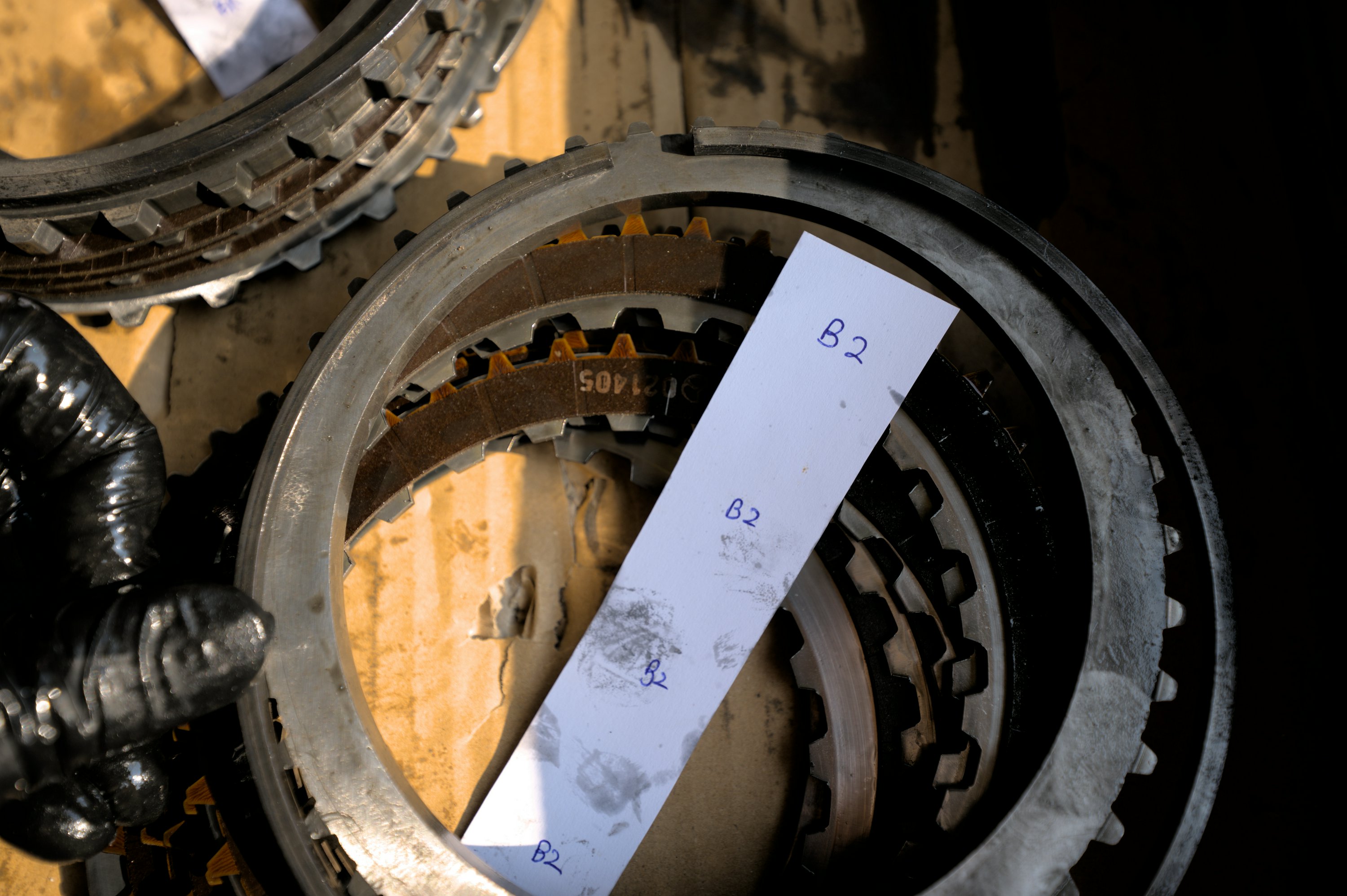
All clutch packs except the K3 clutch were held in by simple snap rings, which I removed with a screwdriver. We can see that the brakes are in great condition, easily with 50% of life left in them. K2 clutch is good, maybe 1/3 of life left. K1 is just OK but still maybe 50k km or 20% from failure. If you have read my previous post about how the 7G-Tronic transmission works, you would know that the K3 clutch is usually the first to go. This can be explained by its extensive use and its small size: it is the smallest clutch pack in this transmission but probably used the most in lower gears. Unfortunately, I do not have a circlip tool to remove its housing to inspect it. I guess that it is probably marginal.
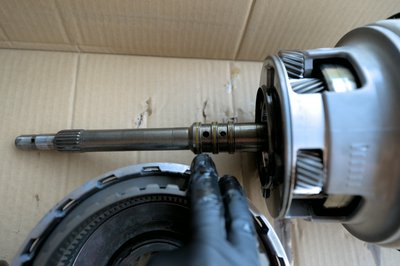
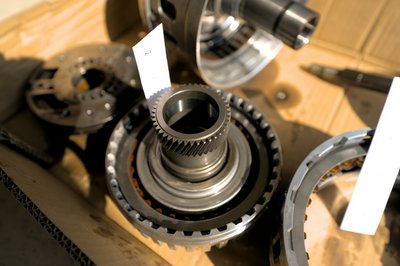
We can also see that there is some bluing on the steel shaft that contacts brass bushing on the B1 brake housing. This is not surprising since the transmission got really hot when the TCC failed.
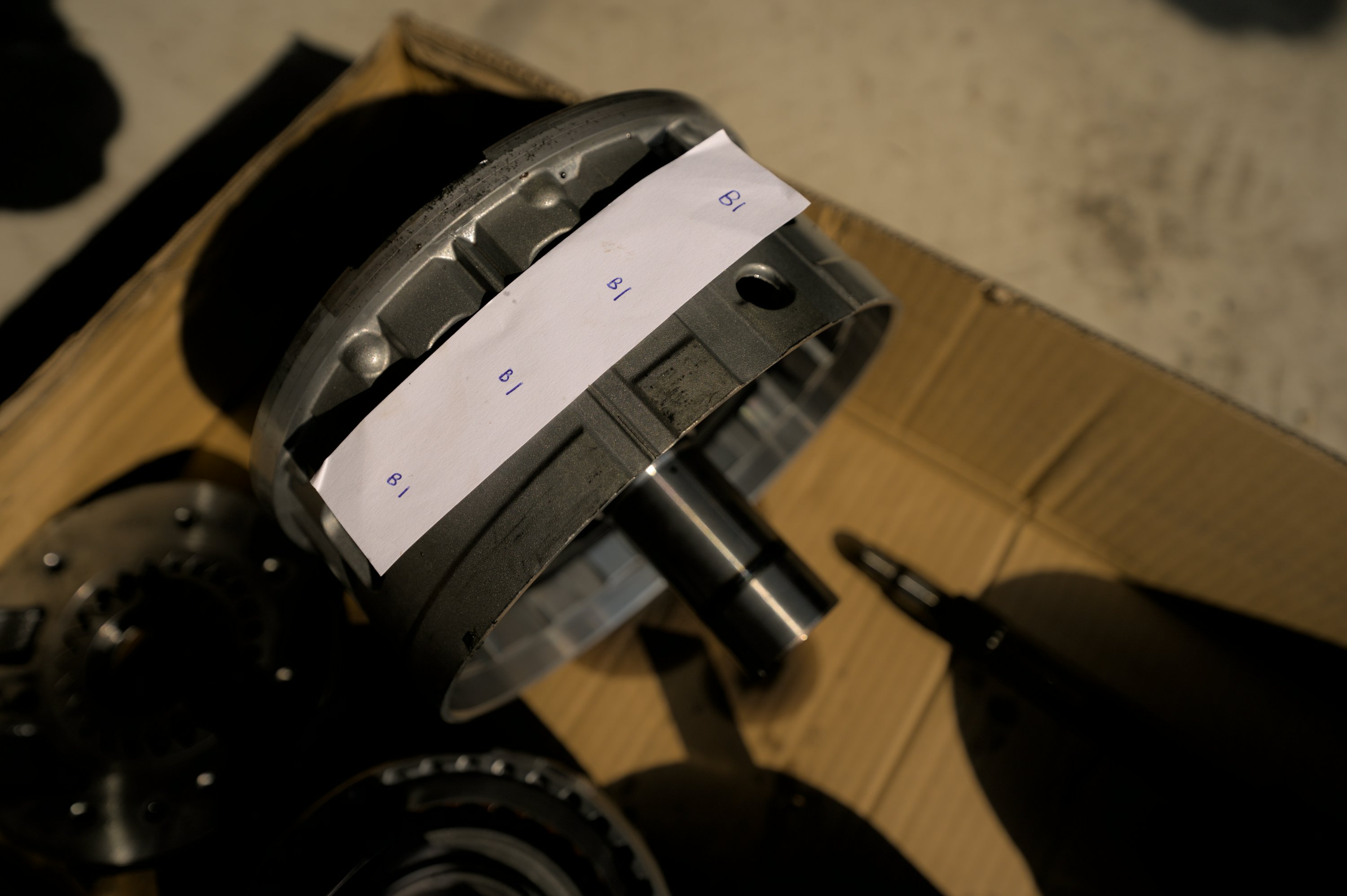
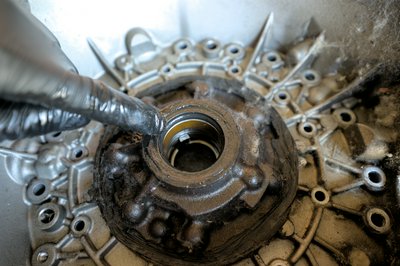
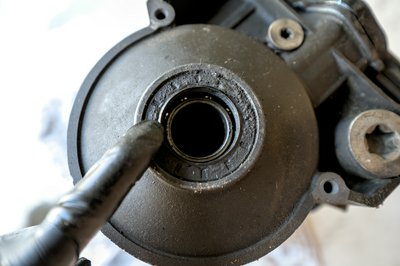
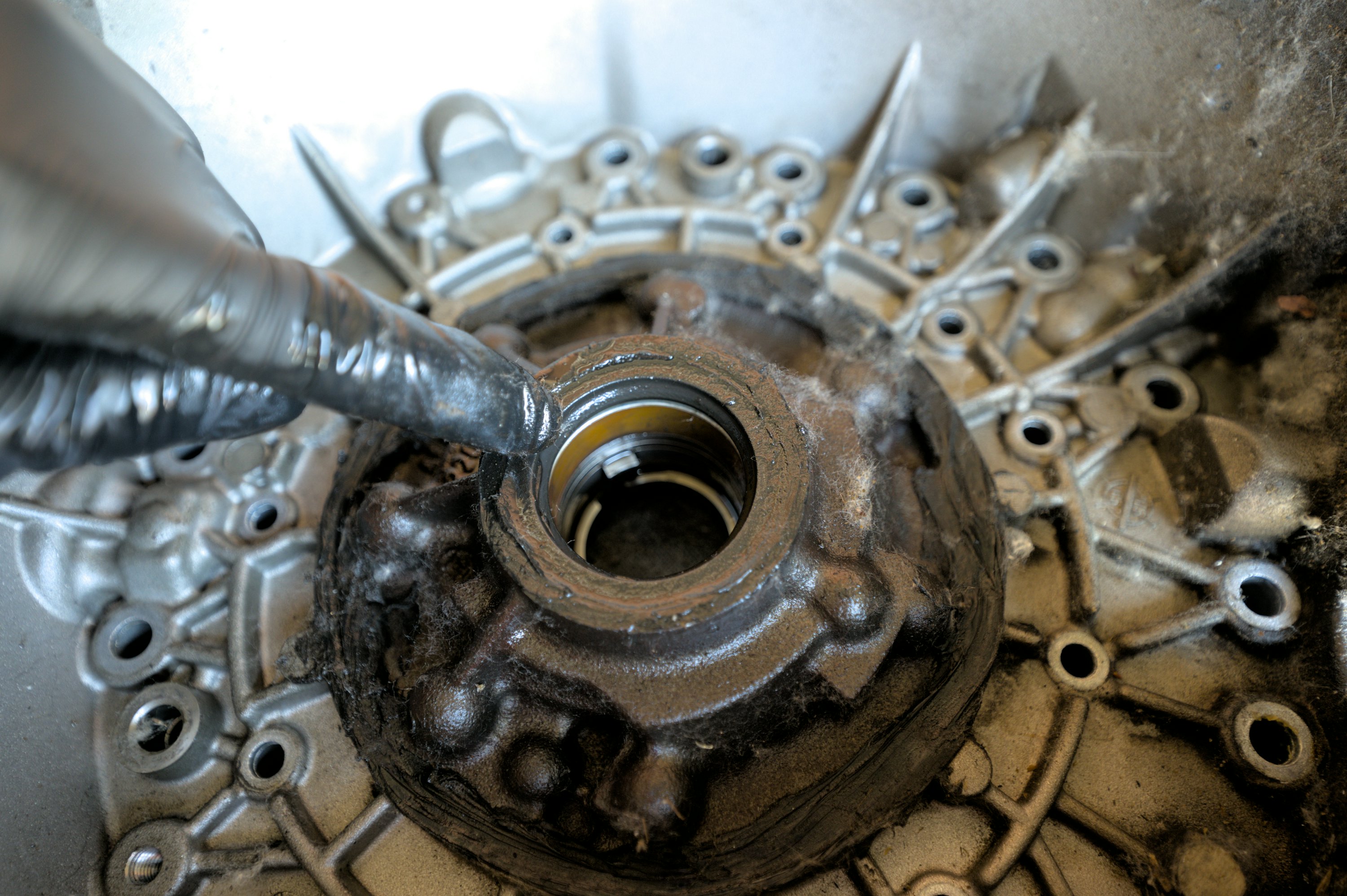
Lastly, we can see that the oil pump has some gasket maker smeared on the outside. It probably leaked at one point, but this transmission was not leaking at all when it failed. The fact that it is all greasy outside was caused by how its fluid was drained in shipping.
Overall, I would say that this is a rebuildable core. However, I am making a decorative piece with a wooden stand out of it.
Gallery: 722.9 Dissembly
XXX