techXXX
Why BMW Engines Spin (Rod) Bearings
BMW has an exceptional rate of rod and main bearing failures and seized engines. I have identified six reasons that explain this phenomenon. I am also ranking the most likely victims of bearing carnage into three tiers.
BMW has an exceptional rate of rod and main bearing failures and seized engines. I have identified six reasons that explain this phenomenon, which I discuss in detail below. I am also ranking the most likely victims of bearing carnage into three tiers.
Low (map-controlled) oil pressure
In the pursuit of fuel efficiency and low emissions, modern BMWs run electronically-controlled oil pumps on a map that lowers oil pressure when the engine speed and load are low. Even at high speed and high load, oil pressure is comparatively low. This leaves the bearings run at a marginal state, because hydrodynamic lubrication is actually better at high surface speed, and it is precisely at low engine speed that good oil pressure is critical. By the way, I am not saying that low oil pressure is good at high speed, but flow is more important at high speed due to pressure bleeding. A compounding problem is that during sudden acceleration, load spikes before oil pressure catches up.
Tight bearing clearance for oil spec
Some naturally-aspirated BMW Motorsport engines run tighter bearing clearances to extract more power from the combustion. However, BMW also designed these engines to run at high RPMs. Expecting owners to track their cars, BMW specified 10W60 engine oils. These do not provide sufficient flow, especially at lower engine temperatures.
High oil consumption
Oil consumption is the bane of modern German engines. For efficiency and emissions, and for compatibility with the Alusil cylinder bore where applicable, BMW runs low-tension piston rings. Combined with turbocharging and other more BMW-specified quirks, oil consumption is frequently an issue. At the same time, BMW has done away with the oil dipstick. Many owners unknowingly run engine oil low.
High temperature
For power, efficiency, and emissions, BMW engines run at higher temperatures than other mainstream automakers. Plain bearings are more likely to seize at higher temperatures. This fact contradicts a myth that many enthusiasts spread about warming their BMWs up. Modern BMWs that run low-viscosity oils do not really need to be warmed up as much.
High specific output for low-spec parts
BMW engines, both their earlier high-performance naturally-aspirated ones and later turbocharged ones, have some of the highest specific output numbers. However, in the interest of cost-saving and efficiency, BMW uses parts that are just ‘adequate’. For example, an inline-6 could still use a cast crankshaft, many non-S engines use cast conrods, and the bearing sizes are quite small.
Poor oiling circuit design
Some BMW engines have weaknesses in their oiling circuit. It could be the oil pickup, the oil cooler housing, or other parts of the oil passages. They have comparatively higher chance of becoming air-locked.
Ranking and additional note
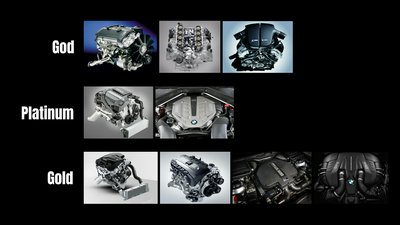
Please note that I am in no way suggesting that your BMW will blow up. The majority of them do not. However, compared to other automakers, BMW has a recorded history of bearing failures. Below is my ranking of the most likely victims of spun bearings:
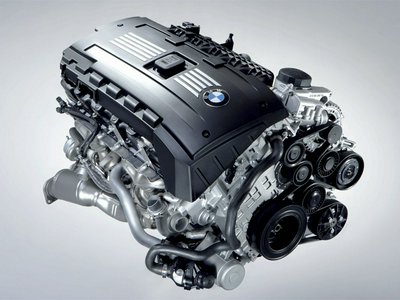
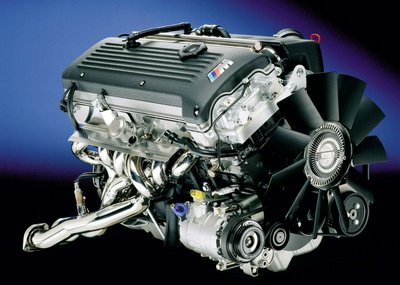
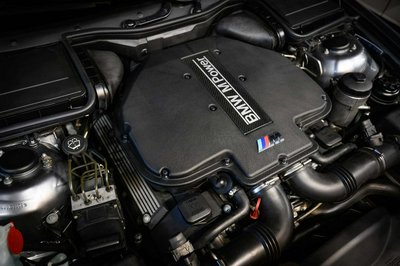
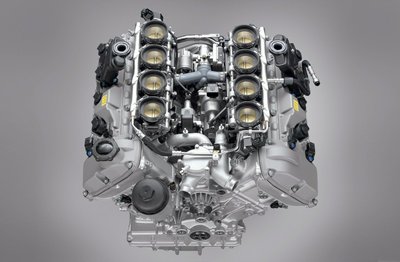
- God Tier: S54, S65, S85
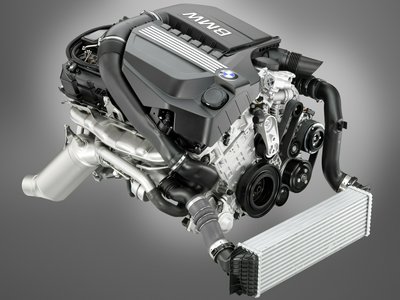
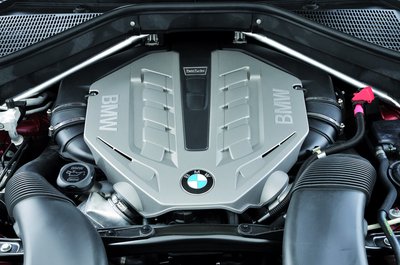
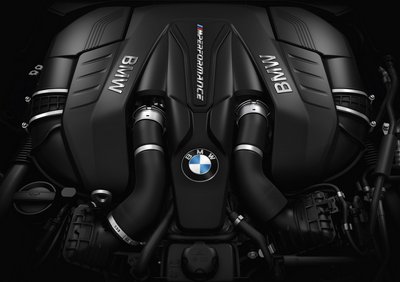
- Platinum Tier: N55, Early N/S63
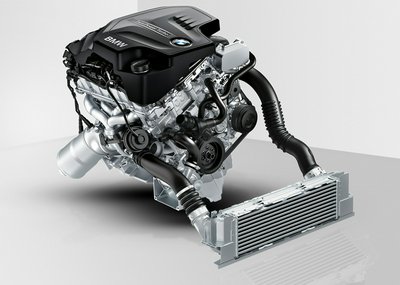
- Gold Tier: N20, N54, S62, Late N/S63 (TU2+)
Gallery: BMW bearing trouble
XXX