techXXX
Designing an Unreliable, Unserviceable, Throw-Away Twin-Turbo Inline-6 Engine
My previous article laid out the design of a highly serviceable, reliable, and durable high-performance V8 engine. Today, I want to do the opposite and attempt to design an inline-6 engine that is as unreliable as we can justify as a manufacturer.
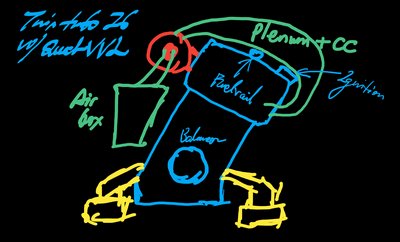
My previous article laid out the design of a highly serviceable, reliable, and durable high-performance V8 engine. Today, I want to do the opposite and attempt to design an inline-6 engine that is as unreliable as we can justify as a manufacturer.
Design Principles
This engine intentionally compromises serviceability, reliability, and durability. There are some fuel efficiency advantages, but mostly we want to cut cost and reduce the service life. The engine should be minimally serviceable, so our dealer network is happy. We can use some of the savings on our legal team to fight off customer lawsuits.
Engine Layout
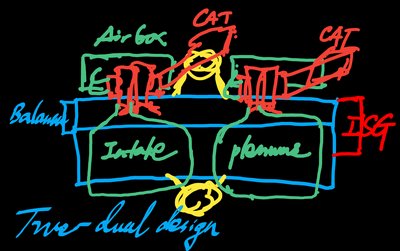
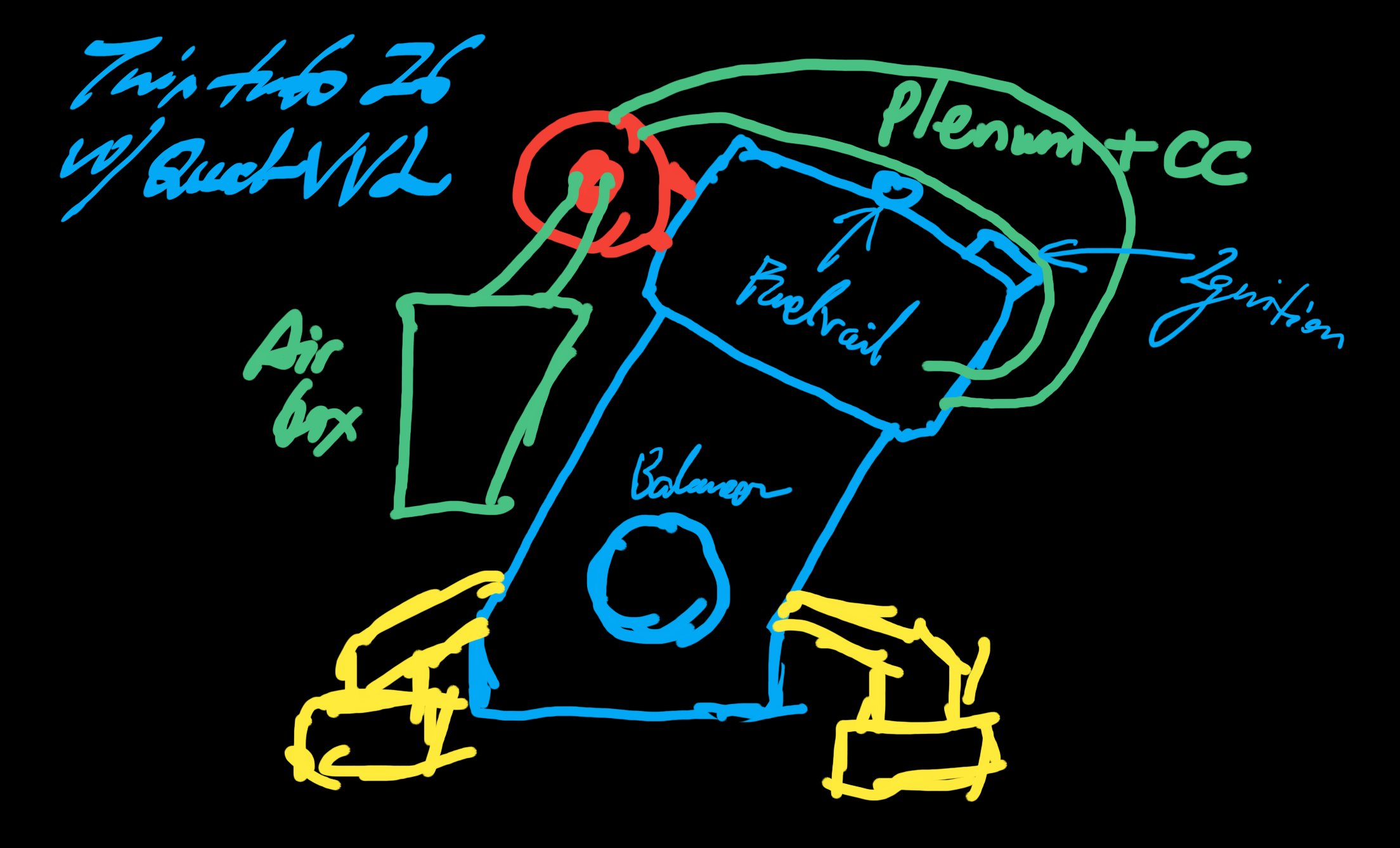
We want an inline-6 engine with two closely-coupled electric turbochargers and 48V mild-hybrid system. This is not a direct comparison to the V8 I discussed last time, because the amount of complexity this engine has would make a V8 impossibly large for a normal car. Rest assured this engine is larger and heavier than that V8. The 48V mild-hybrid system is powered by an integrated starter-generator (ISG). We prefer this to a quad-turbo setup, because the latter is archaic today; if we were to design the engine a decade ago, it would have come with four turbochargers. The engine’s crown jewel is its unique Quad-VVL system that fully decouples the I6 into two cylinder banks.
Closely-Coupled Turbos
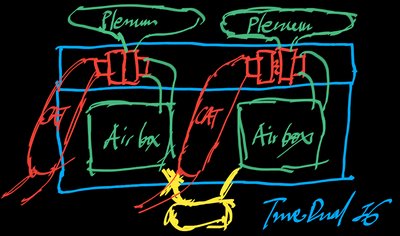
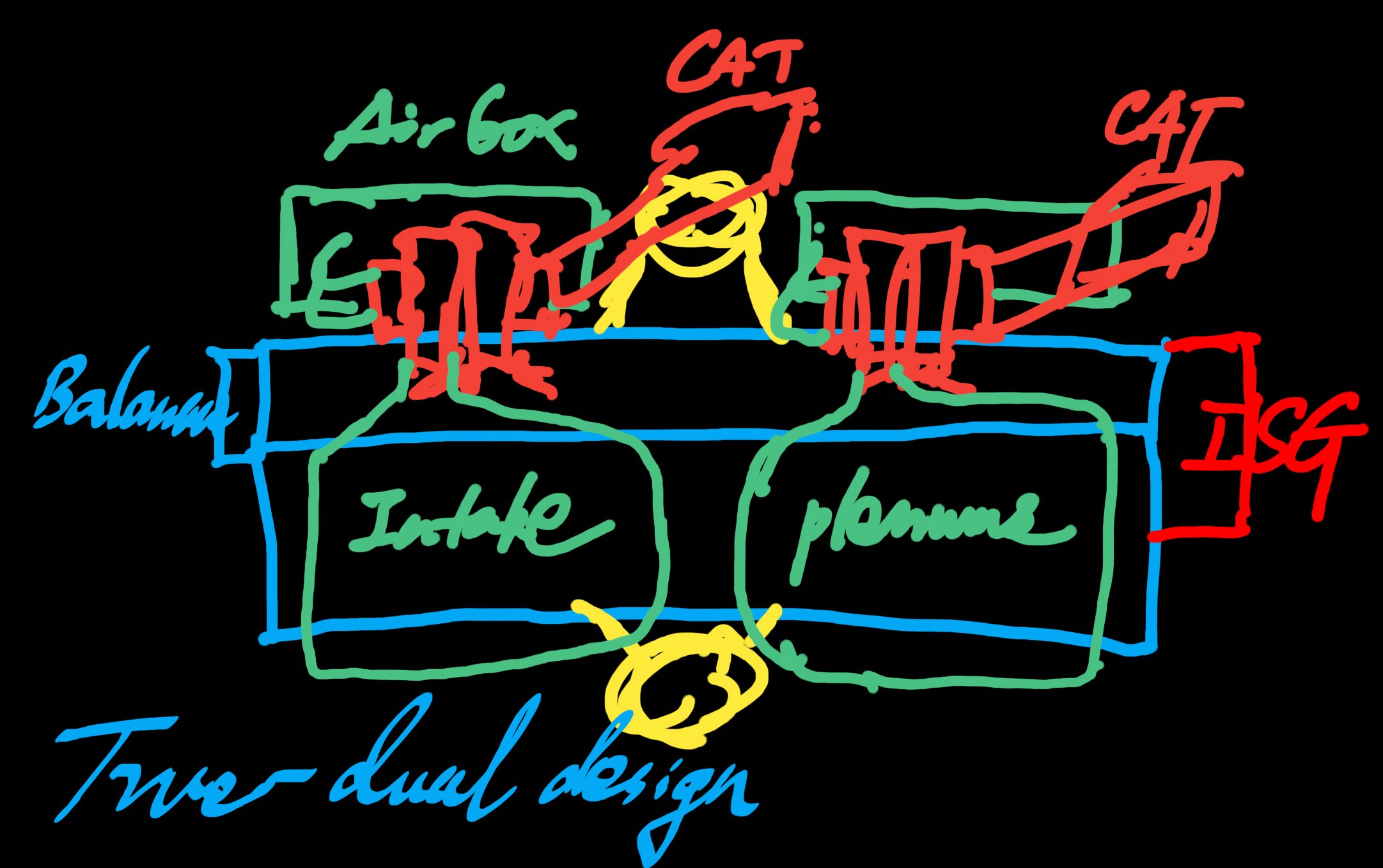
To save cost and reduce serviceability and reliability, our I6 will have internal exhaust manifolds that merge the exhaust ports of Cylinders 1–3 and 4–6 respectively into two integrated turbine housings. These will house the two parallel electric turbochargers. This setup has four advantages:
- It improves thermal efficiency, as exhaust energy is maximally extracted by the turbos.
- By integrating the turbine housings, we also makes assembly faster and the parts more expensive. This should not be a main concern, because the turbos should outlive the warranty period.
- Parallel turbos have better transient response. Being electric, they can be programmed to spool up at idle in Sport+ Mode. Meanwhile, in Standard Mode they can take it easy and reduce emissions in standard test cycles.
- The turbos have electronic wastegates for faster, more precise control of boost, with efficiency and emissions benefits.
Plenums with Integrated Charger Cooler
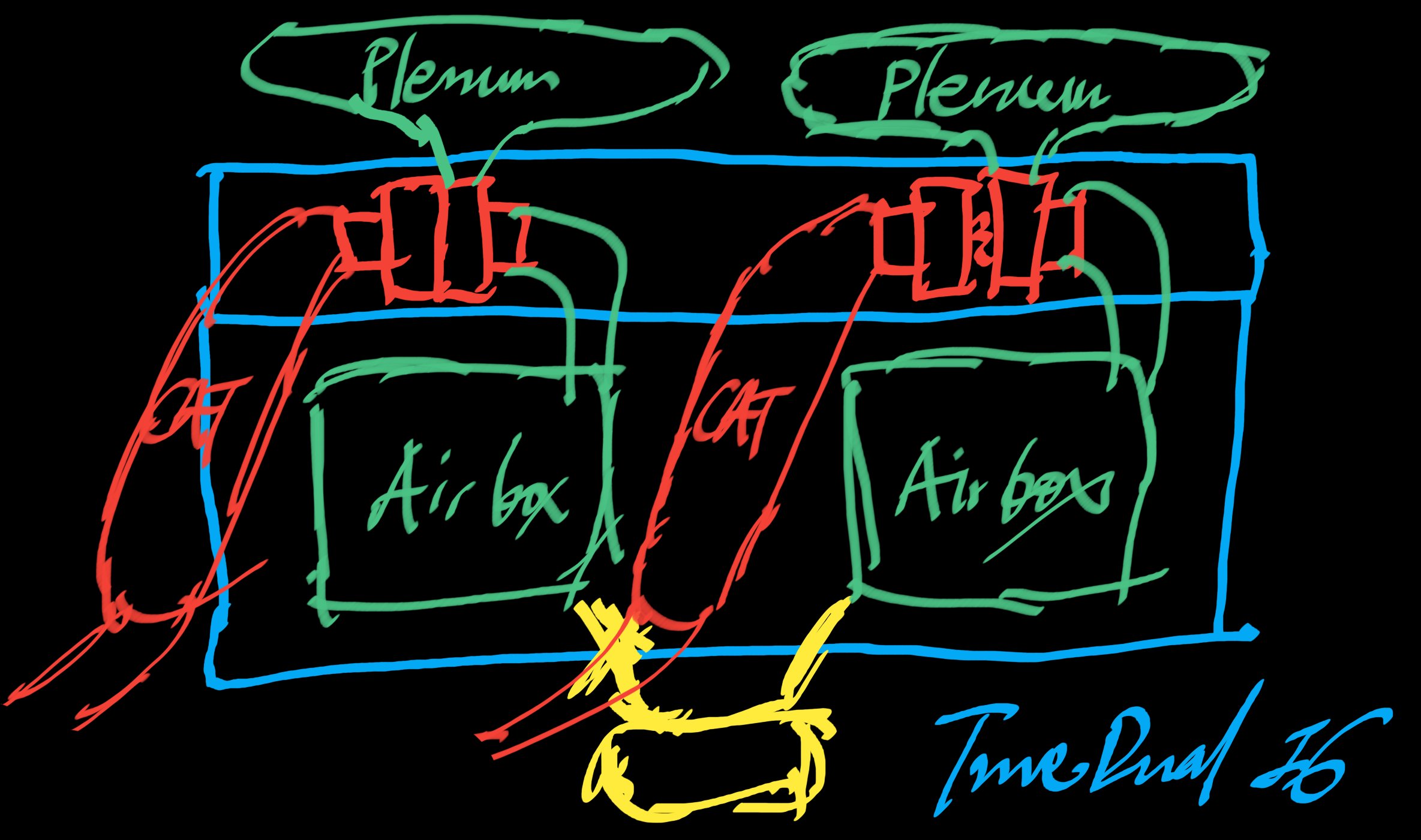
For the tightest packaging and fastest turbo response, we want the liquid-to-air charger coolers to be integrated inside the plastic intake plenums. Air from the compressors goes directly into them.
Since we already have two turbochargers, we want to keep the intake side separate. That is, Cylinders 1–3 and 4–6 are essentially two inline-3 engines mirrored at the crankshaft. This eliminates interference between the two ‘cylinder banks’ and helps tunability.
For this setup, we use two electric water pumps to make sure there is sufficient flow to both charge coolers. The two-pump setup also allows intake air temperatures to match up better between the cylinder banks. One of the low-temperature circuit also cools the engine ECU.
Timing System
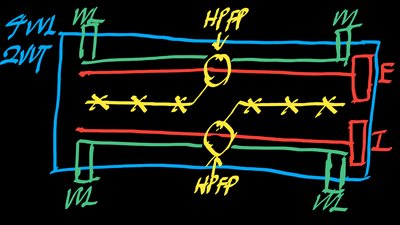
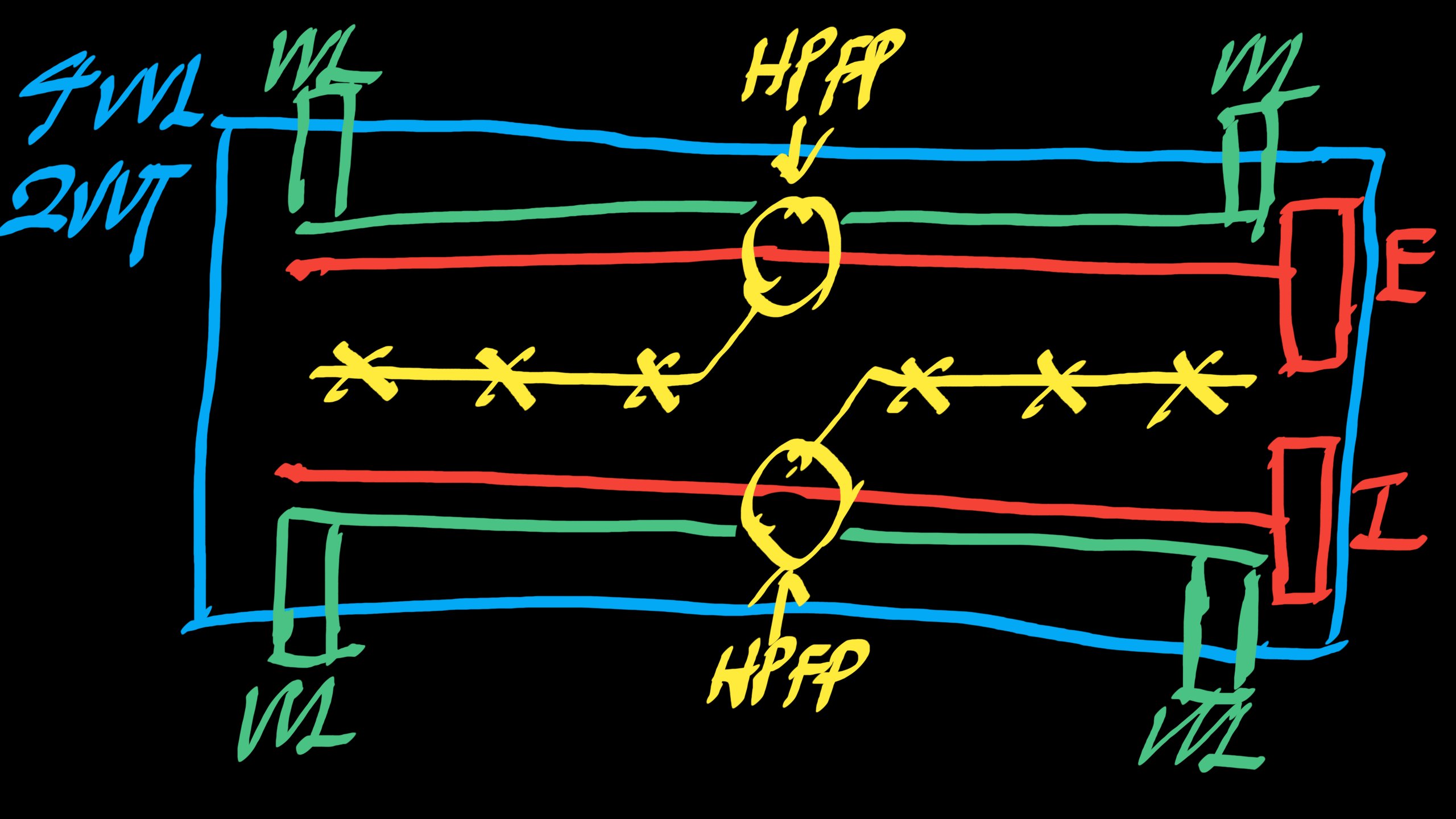
The crown jewel of our I6 is its unique Quad-VVL system. In the interest of efficiency and complexity, our I6 will have not only variable valve timing (VVT) but also variable valve lift (VVL), both of the ‘continuously variable’ flavor, on both the intake and the exhaust camshafts. Most importantly, we copy BMW’s idea of Valvetronic system and apply it into 4 independent sections, two on the intake side and two on the exhaust side. Cylinders 1–3 and 4–6 are therefore independently controllable. This is our ‘Quad-VVL’ system. We also put the timing chain at the rear of the engine and justify it with NVH. This has four advantages:
- VVL on the exhaust side allows us to reduce backpressure and drive the turbochargers harder when needed but have lower consumption and emissions otherwise.
- VVL on the intake side allows us to reduce pumping loss and improve throttle response, pretty much how BMW justifies its system.
- Quad-VVL is important because we can control the front and rear cylinder banks individually, including full cylinder deactivation. This further improves fuel efficiency.
- Combined with VVT, we can minimize emissions and maximize efficiency. The cylinder headers are considerably taller, but a worthwhile trade-off.
Gasoline Direct Injection
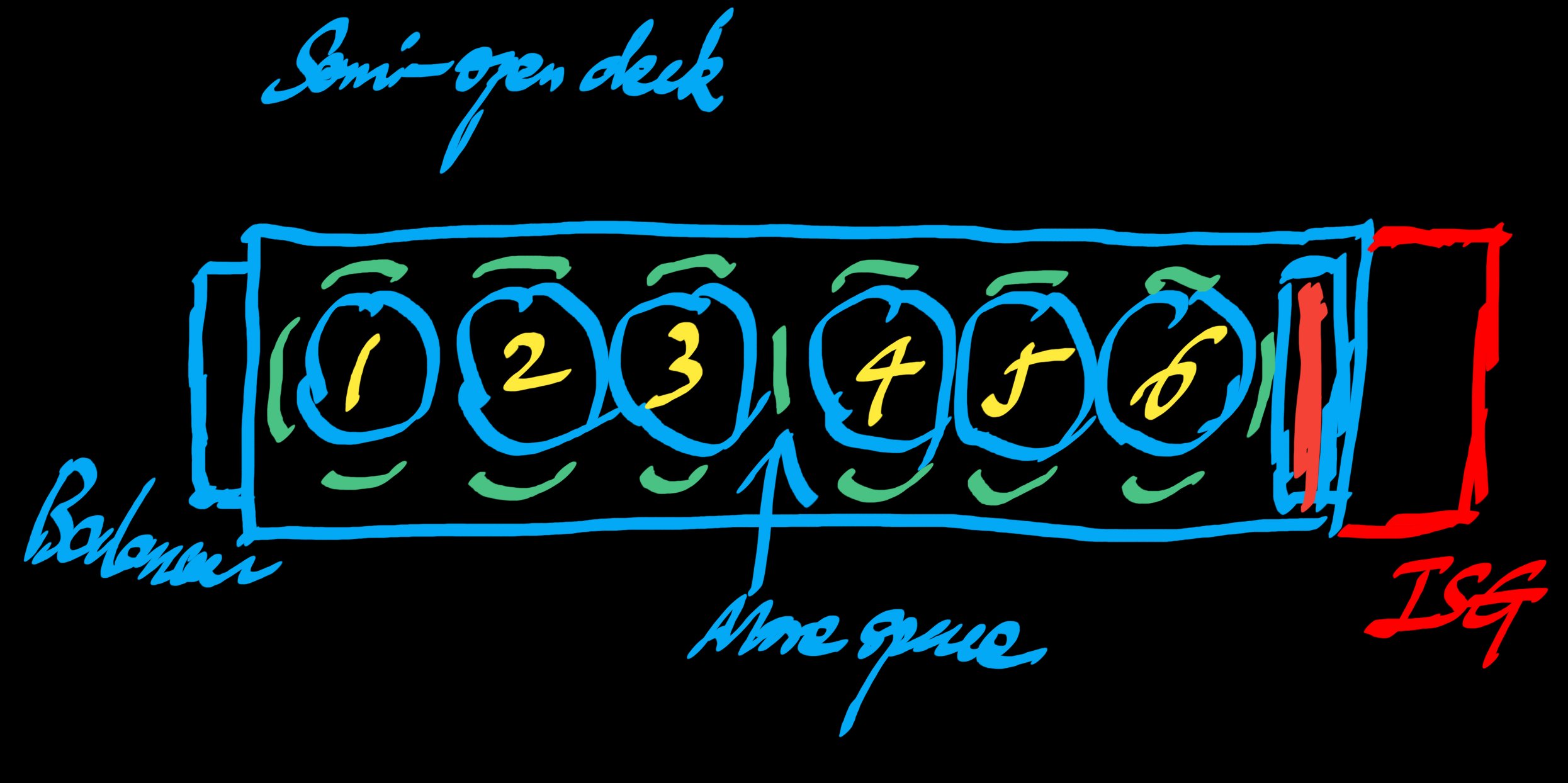
GDI is the only fueling system we need. We will use two high pressure fuel pumps bolted on top of the center of the cylinder head, between Cylinders 3 and 4, one driven by the intake cam, and one by the exhaust cam. Each supplies fuel to three cylinders. They work with 350 bar target pressure. Today, there is no need to use piezoelectric injectors. To accommodate the pumps, Cylinders 3 and 4 are spaced farther apart than the rest of the cylinders.
30-Degree Lean
With our complex Quad-VVL system and true-dual turbo setup, this I6 is very tall. We therefore tilt it 30 degrees to the side. However, unlike BMW, we tilt the engine to the intake side. We almost want to do the opposite, because it would make turbo and boost-related repairs harder, but this way is more justifiable and makes routine spark plug services harder. Our dealers will appreciate it more.
Engine Materials
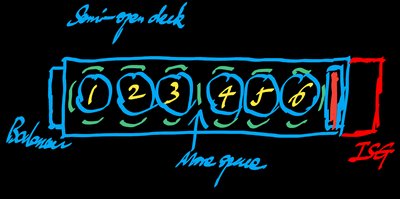
We really want to use Lokasil in an open-deck design for maximum efficiency while keeping the cost in check. However, plasma sprayed iron coating is cheaper, and we can use a semi-open deck design and market it as ‘closed deck’ to increase enthusiast appeal. This is cost effective and keeps the customers happy.
We will use all cast internals, because they are sufficient for the stock power levels. But we also offer this engine in Motor Sport (MS) version with forged conrods and Racing Motor Sport (RMS) version with forged crankshaft and conrods. We will stick to cast pistons, which work better with our spray-on liner.
In all cases, we want to use the narrowest bearings with half the tolerance of the average road car engine. This way, we further reduce friction and improve efficiency.
Map-Controlled Oil Pump
Oil pump is a main source of parasitic drag. Modern synthetic oils are so good and the tolerances of our engine internals so tight that high flow is unnecessary. We install an electronically-controlled variable displacement pump that can reduce parasitic drag when not needed. By cutting oil pressure, the drag on the oiling surfaces also decrease.
Engine Accessories
We use an electric water pump for engine cooling. It can be switched off during warm-up, and its flow can be controlled by a map in the ECU just like the oil pump.
Since we have two turbochargers, we also install two downpipes, each with its own catalytic converter. This allows us to monitor the air-fuel ratio (AFR) better and achieve more efficient burn. The engine is also more tunable. These downpipes should be installed as closely to the turbos as possible.
Further Specifications
Other miscellaneous specifications include the following.
- Bore x stroke: 81 x 97mm (displacement 2999cc)
- Compression ratio: 9.5:1
- Rod ratio: 1.6:1 (155.2mm rod length, target 230mm deck height)
- Twin turbocharger: 45mm compressor inducer + electronic wastegate
- Power target: 500hp @ 6500–7000rpm (Sports+)
- Torque target: 600Nm @ 1500–5500rpm (Sports+)
Overall, by adding complexity with no concern for serviceability or durability, we can have a highly-efficient twin-turbo I6 that enthusiasts will nonetheless love. It can still offer immense tunability and modability. A vibrant aftermarket can develop, which keeps our income going. We can help with more specialty tools to work on our complex engine. We may even leak the maps of our ECU to the public but firmly deny all warranty claims on all tuned engines. This way, if it happens to melt a piston, bend a rod, crack a head, split a crankshaft, score a cylinder, or spin a bearing, it is not our fault.
Gallery: My Bad I6
XXX