techXXX
City Rally Hot Hatch: Type 3 with Turbo V4, e-Manual, and Double Wishbones—Mcc 13
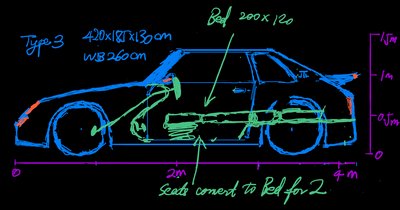
Today, let us examine a front-mid engine, front-wheel drive compact hot hatch with double wishbone front and rear suspensions. It may be one of the most characterful and most enjoyable cars ever envisioned.
Published by Dr Jiulin Teng on 12 Feb 2026
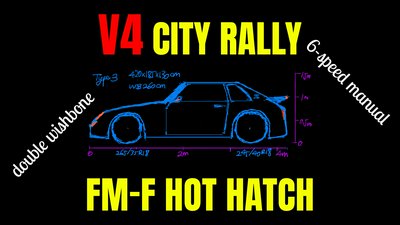
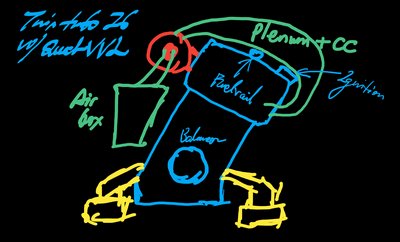
Previously, I have presented the design of a 2L 90-degree V4 with a hot-V electric-turbo, codename P4201T. Today, let us examine one of the many unique vehicles that this engine can power: a front-mid engine, front-wheel drive compact hot hatch with double wishbone front and rear suspensions. It may be one of the most characterful and most enjoyable cars ever envisioned. Its chassis code is Type 3.
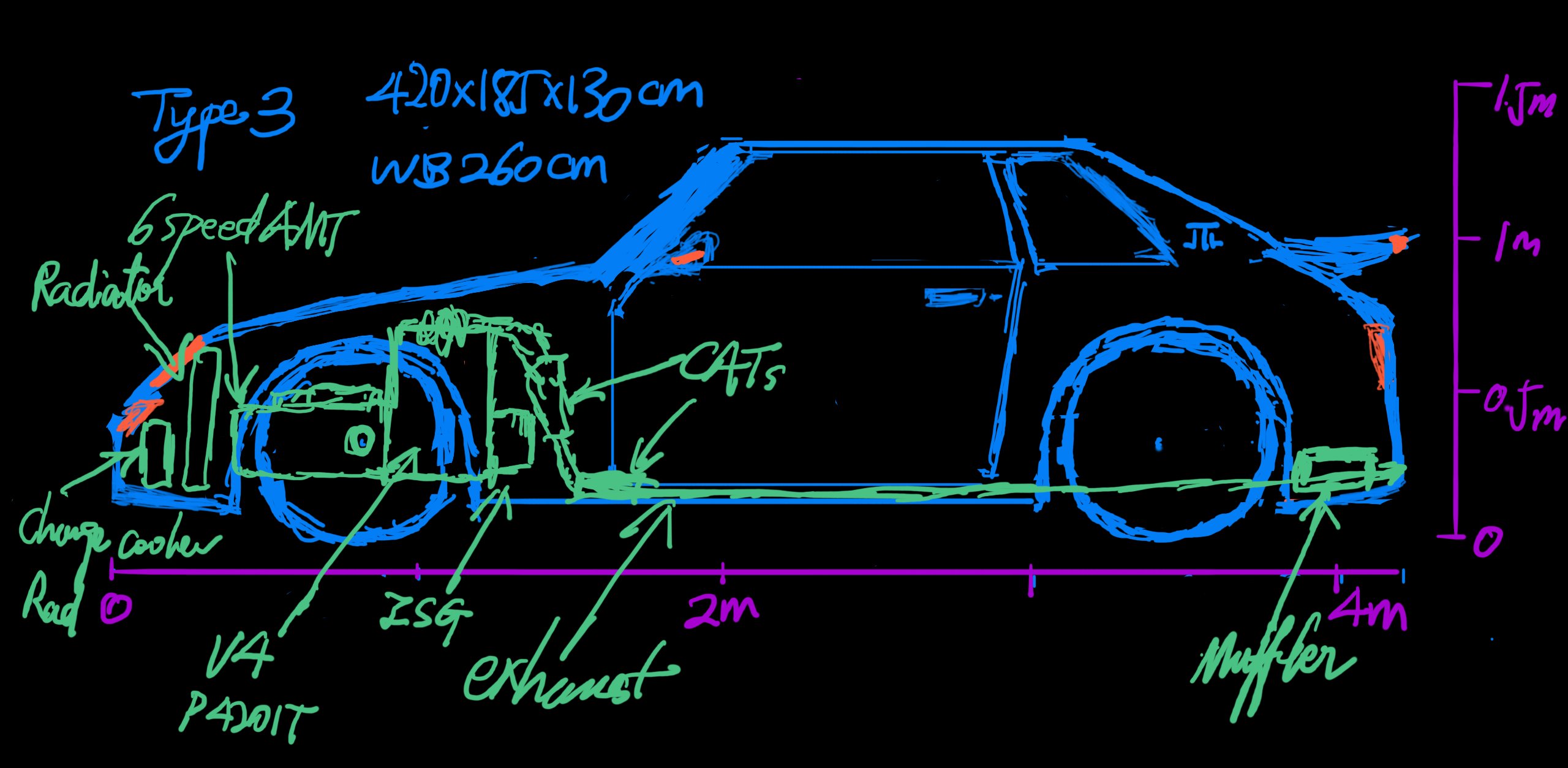
Key Specs
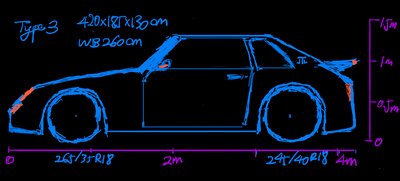
- Length: 420cm
- Width: 185cm
- Height: 130cm
- Wheelbase: 260cm
- Weight: ~1000kg
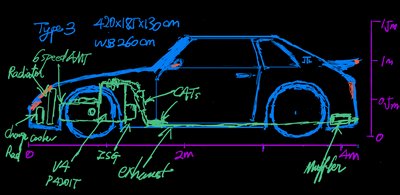
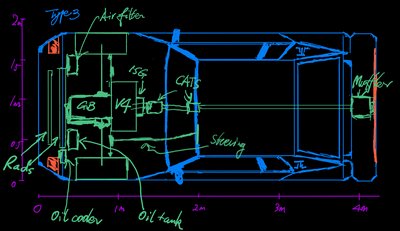
- Engine: P4201T, 2.0L V4 hot-V e-turbo petrol with ISG
- Power: ~450hp (ceiling of tunability 600hp)
- Transmission: 6-speed single-clutch e-manual w/ automatic mode
- Gear ratios: 2.60:1, 1.79:1, 1.30:1, 1.08:1, 0.92:1, 0.75:1 (same as 2 to 7 in Type 1)
- Drivetrain layout: FM-F
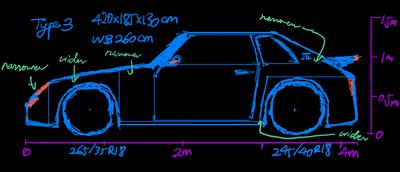
- Tires: 265/35R18 front, 245/40R18 rear
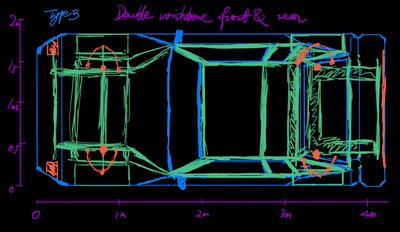
- Suspension: Double wishbone front and rear
- Brakes: 4-piston fixed front, 2-piston fixed rear, 17-in min wheel size
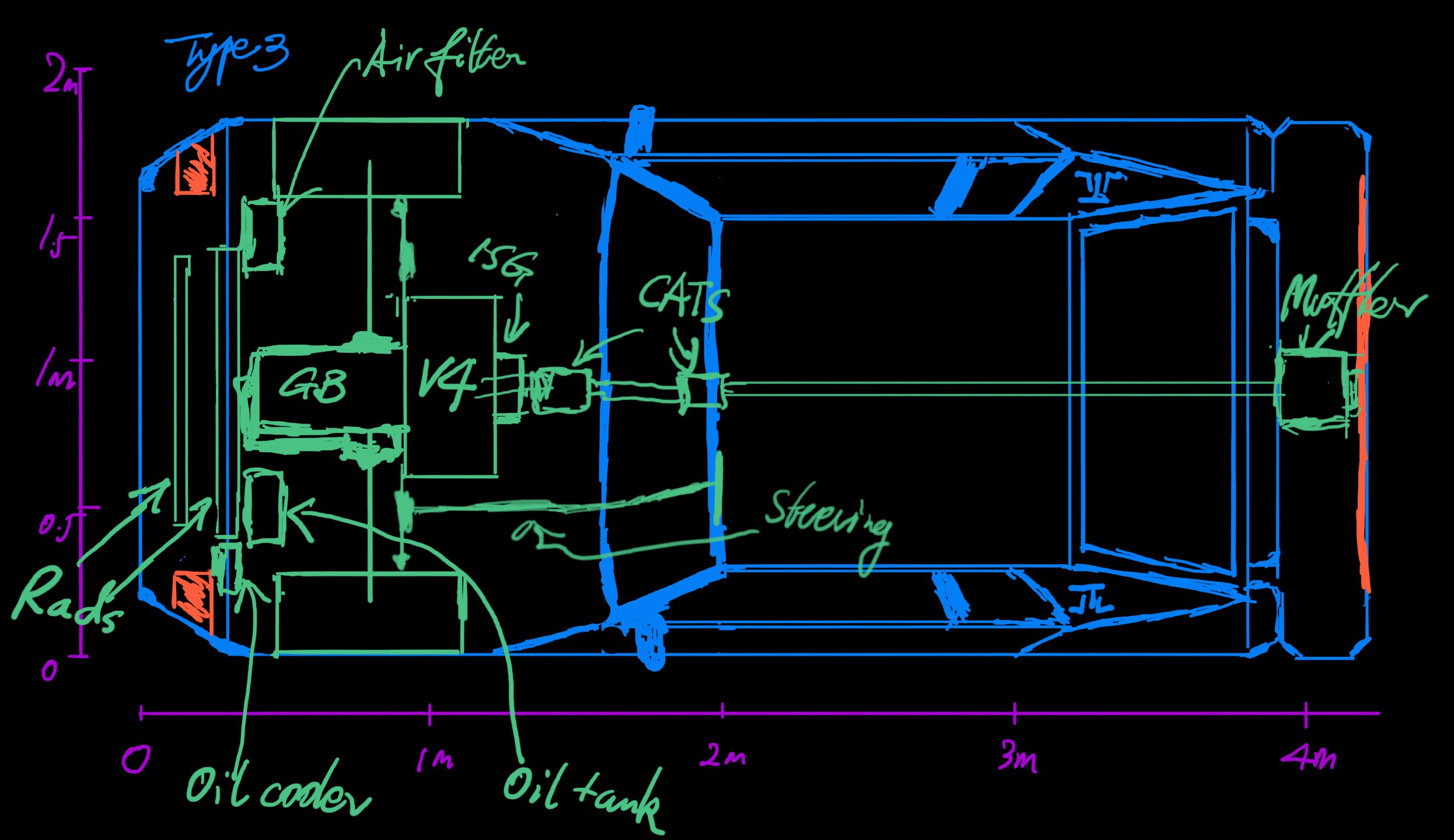
e-Manual and Drivetrain
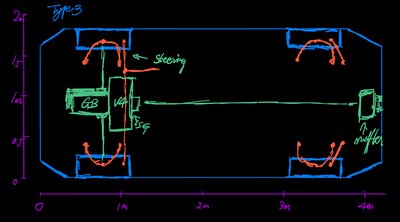
With a longitudinal front-mid engine placement, the transmission is mounted in the front for FWD. A differential is mounted on one side, while an intermediate shaft connects one of the outputs to the other side. Two equal-length half shafts drive the front wheels. Essentially, this is the Audi drivetrain inverted.
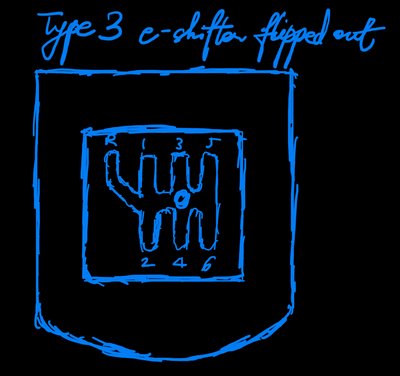
While it is still possible to have a manual transmission with the help of shift cables, Type 3 instead uses a shift-by-wire system. Here, the shifter and the clutch paddle are joysticks. Naturally, efforts will be made to give the most tactile feel a driver can experience, with the right amount of resistance and positive clicks. The transmission itself is then a single-clutch automated manual. This may sound similar to Koenigsegg’s system but is much simpler and more conventional. I believe that smooth operation is not only possible but easy to achieve, since electronic control and computing power today are generations ahead of the old F1 and SMG transmissions from two decades ago.
Type 3’s 6 gear ratios are the same as those of 2nd through 7th in the manual transmission in Type 1. The ultra-low 1st gear in the latter is not needed when our hot hatch has high low-end boost and is even lighter.
This setup can bring drivers the most fun possible, because we have:
- A rev-happy V4 with very high low-end boost
- Front-wheel drive only
- Manual transmission (at least in experience)
This car can do front-wheel burnouts at all legal speeds. It can also run rings around fat posers with double the horsepower and put legit sports cars in the shade.
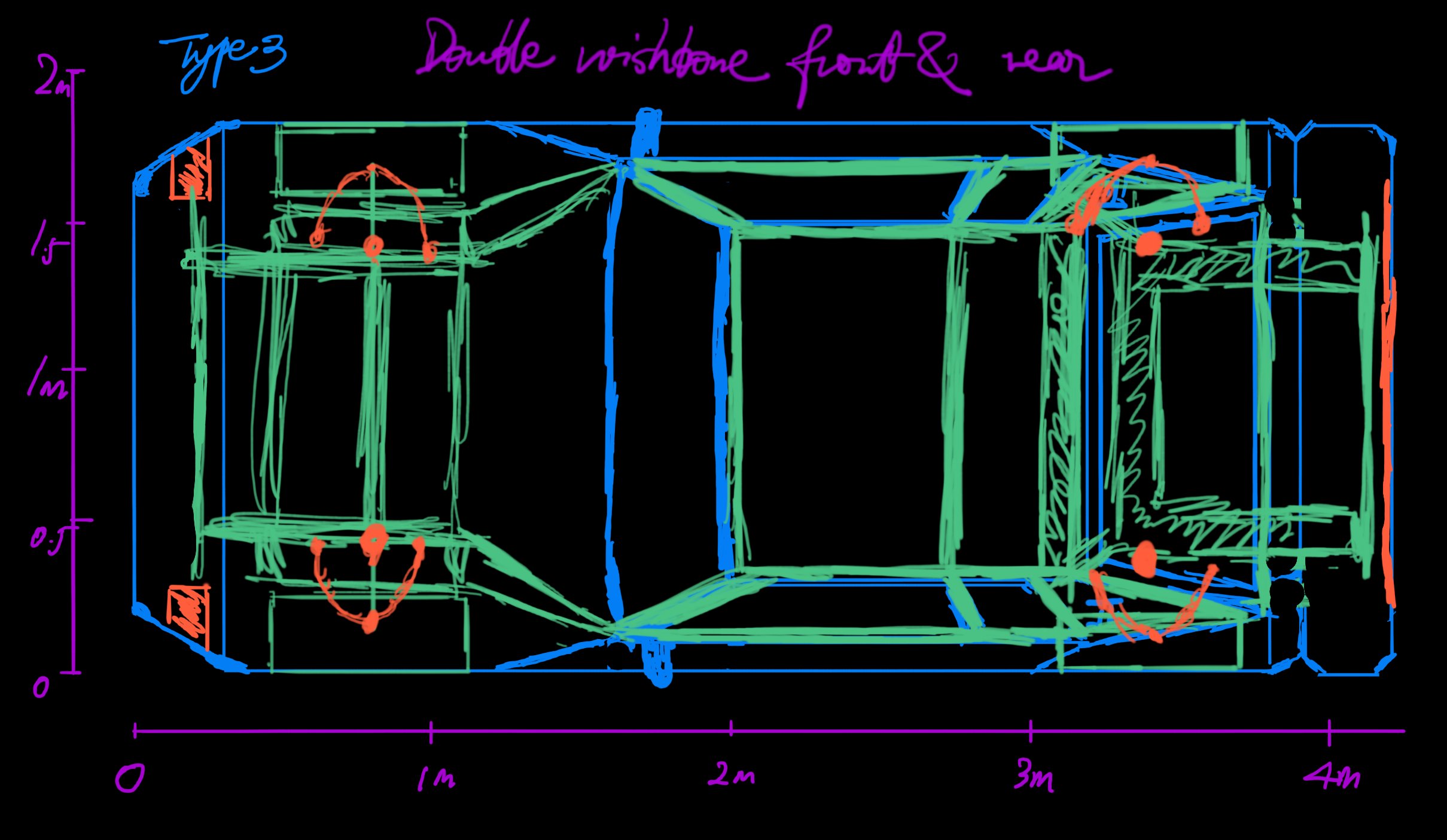
Chassis and Suspension
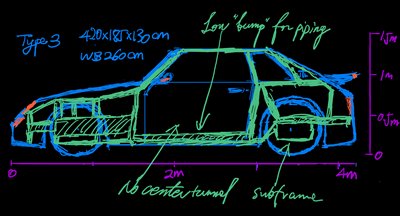
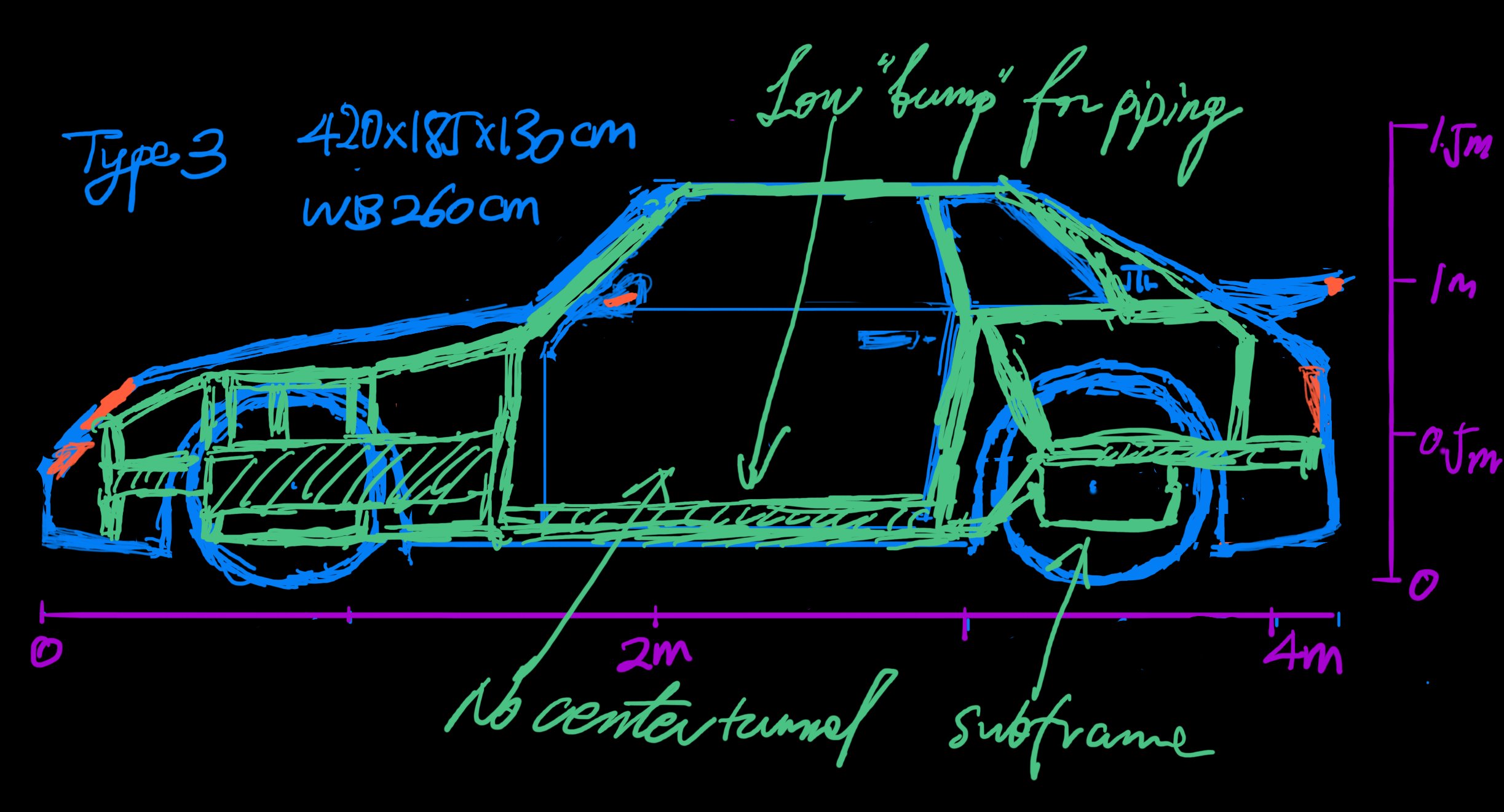
Part of the magic that makes Type 3 work is its chassis and suspension setup. Its chassis is essentially a space frame that is light and rigid, enabled by the compactness of the core drivetrain. Combined with double wishbone suspensions at all four corners, Type 3 is vastly different from the average hot hatch. Even fan favorites like the Mercedes A45 AMG and Audi RS3 fall into an inferior league, as they only have MacPherson strut front suspensions with multi-link rears.
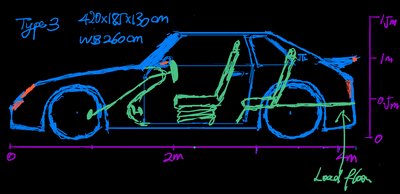
Another area where Type 3 stands out is its proportions. While it is slightly shorter than most modern hot hatches, it is also meaningfully lower and slightly wider. Crucially, thanks to its front-mid engine layout, its wheelbase is longer. Combined with double-wishbone suspensions and good shocks, Type 3 has exceptional traction for a FWD vehicle, as its chassis virtually eliminates dives and squats. While most FWD chassis can barely handle 250hp, Type 3 can more than double that.
Additionally, the combination of 265-section front tires with 245 rears makes the car livelier and more eager to turn. The combo of 4-piston fixed calliper front brakes and 2-piston fixed rears can provide exceptional braking performance and brake feel for Type 3’s 1t weight. They should be sized to allow compatibility with 17-inch wheels, in case the owner wants a more rally-ready experience with narrower tires.
Exterior Design
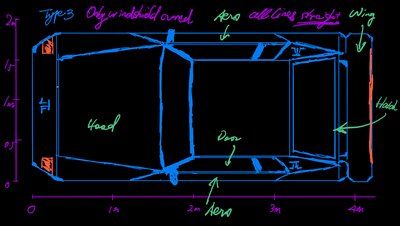
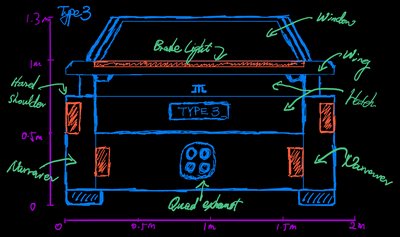
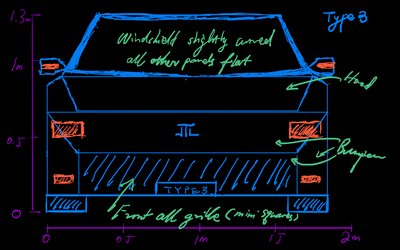
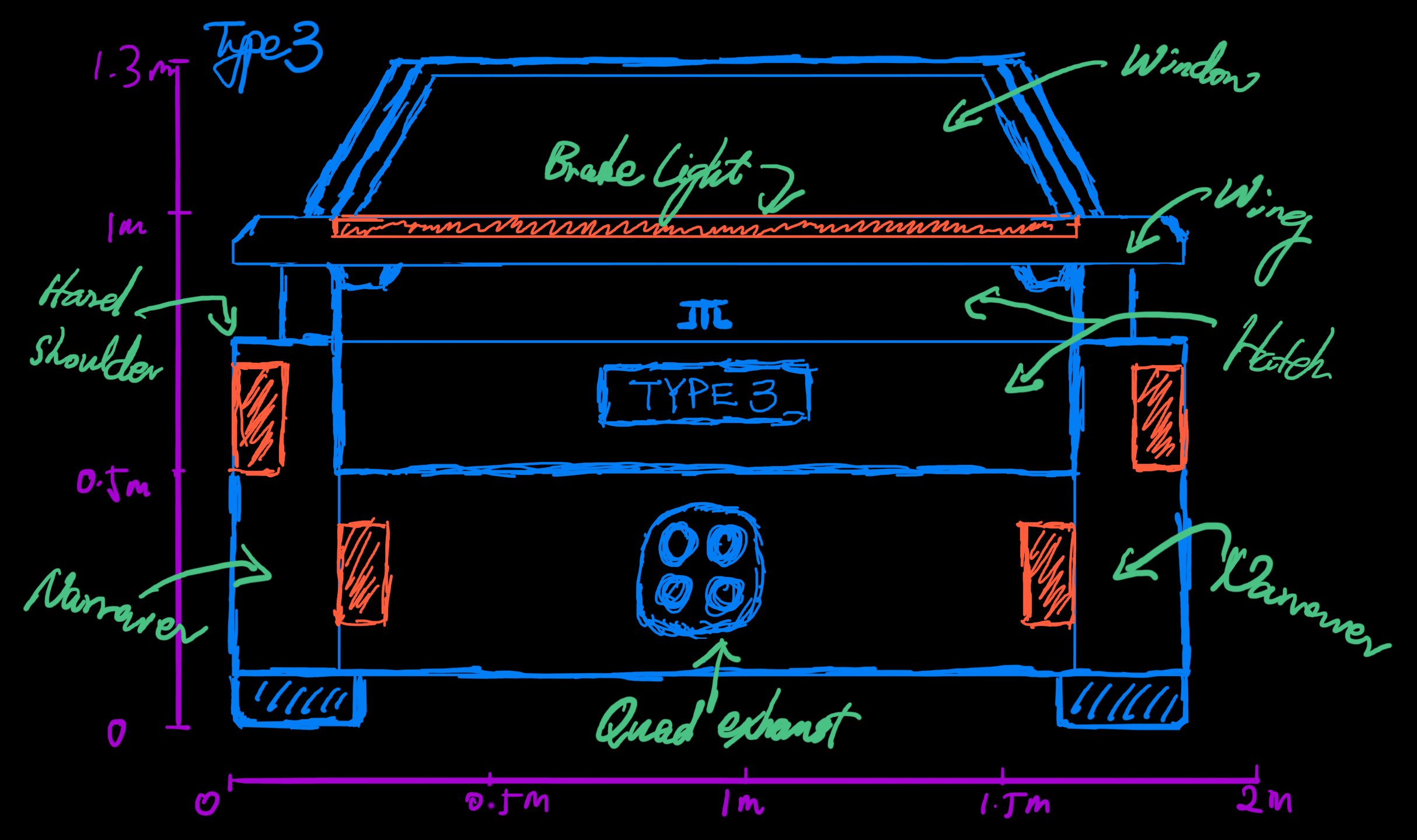
To match its characterful drivetrain and chassis, Type 3’s exterior will be marked by straight lines and sharp angles, though we make sure that the edges are smooth and safe. In some areas, notably the rear, it pays homage to the Lancia Delta HF Integrale. However, Type 3 should be noted for its aggressive tapers front and rear, the stepped rear deck just above the rear wheel arches, the large side wings, and the hatch-mounted rear wing.
With this design, we prioritize style and aerodynamic stability rather than minimizing drag. This is because Type 3 is not intended for top-speed attacks. It is meant for high-speed manoeuvres in tight spaces. We intentionally sacrifice aerodynamic drag for better stability and more iconic styling.
One key design detail is the central quad exhaust tips at the rear that pays homage to Pagani. They represent the four cylinders in a 2-by-2 layout that power our car.
Key Features
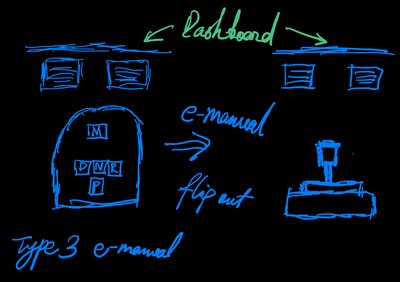
As mentioned earlier, Type 3 uses an e-manual transmission. It is designed as a fold-out panel. When folded in, there are individual buttons to put the transmission in gear. When flipped out, it works like a traditional manual transmission. We do not put shift paddles behind the steering wheel, because they are half-measures completely redundant when we have something better already in place.
Crucially, thanks to its FM-F layout, we have virtually no center tunnel, and none that separates the front seats. Thus, we can mount them closely together. Together with the rear seats, they can be converted into a queen bed, just enough for two adults. We will provide a matching mattress that can be stored behind the rear seats when not in use. The bed conversion is also why the e-manual shifter needs to be the foldable type: Type 3 simply does not come with a center console.
Beyond these core features, Type 3 is light on electronics, as it is the case with our Type 1 GT. Unlike the GT, Type 3 will have a digital dash to cut weight even further. This display will be embedded into the dashboard behind the steering wheel and is the interface for all interior functions.
Gallery: Mcc 13 Type 3
XXX